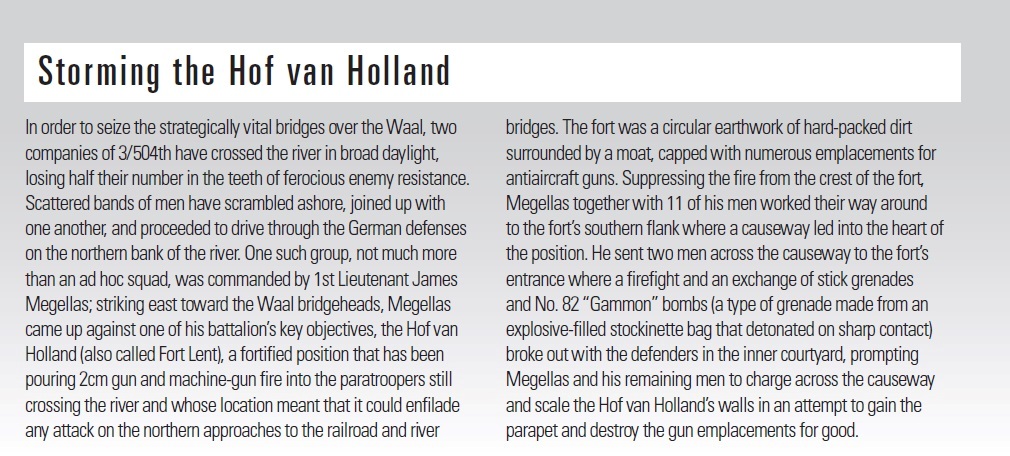
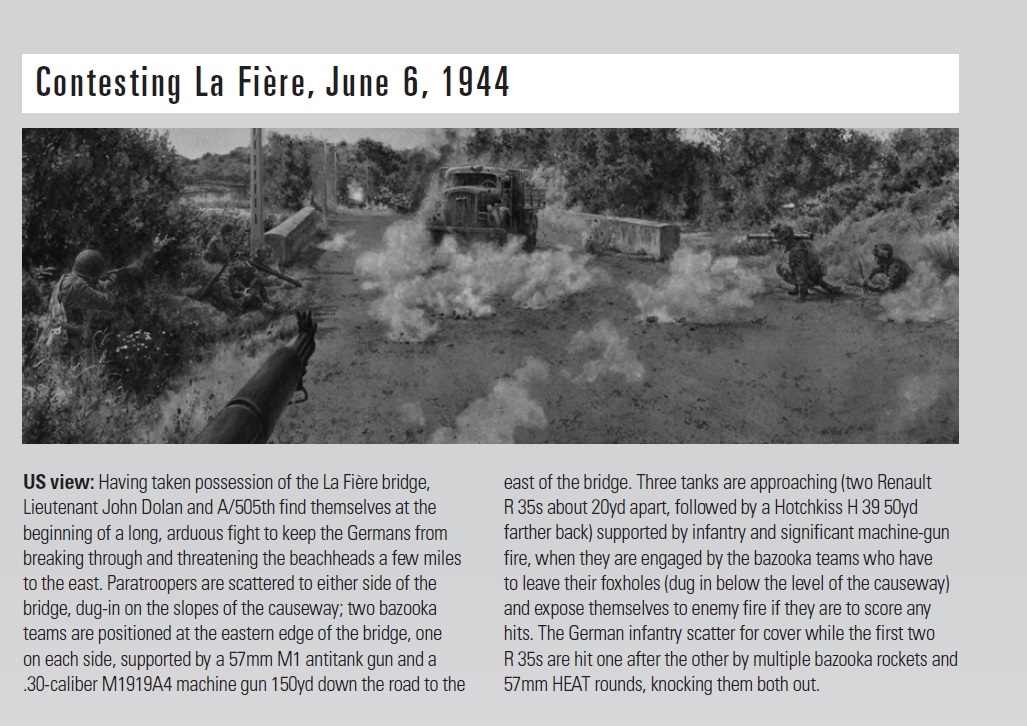
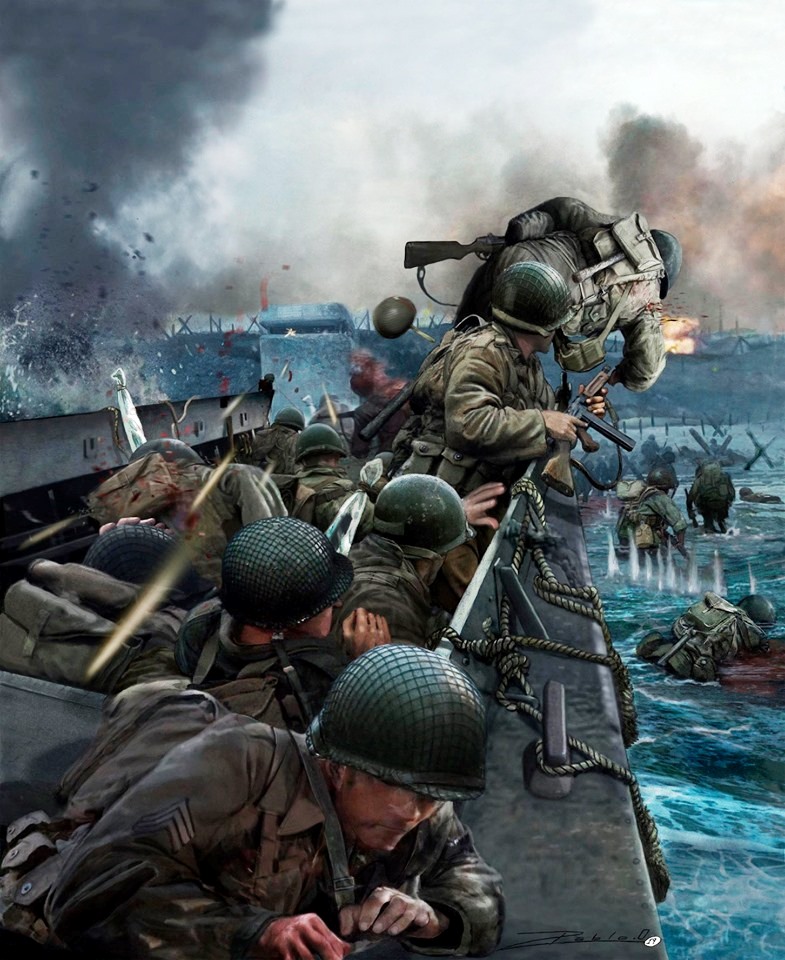
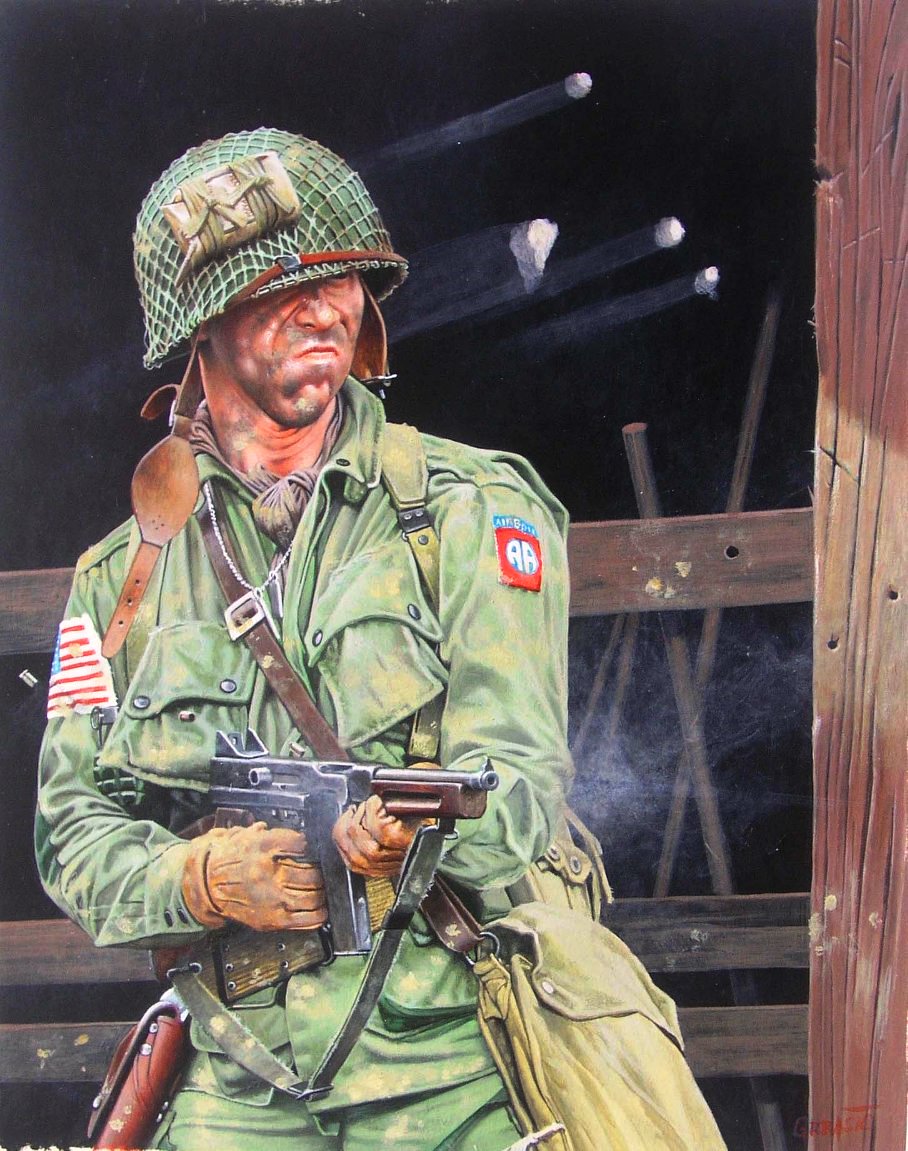
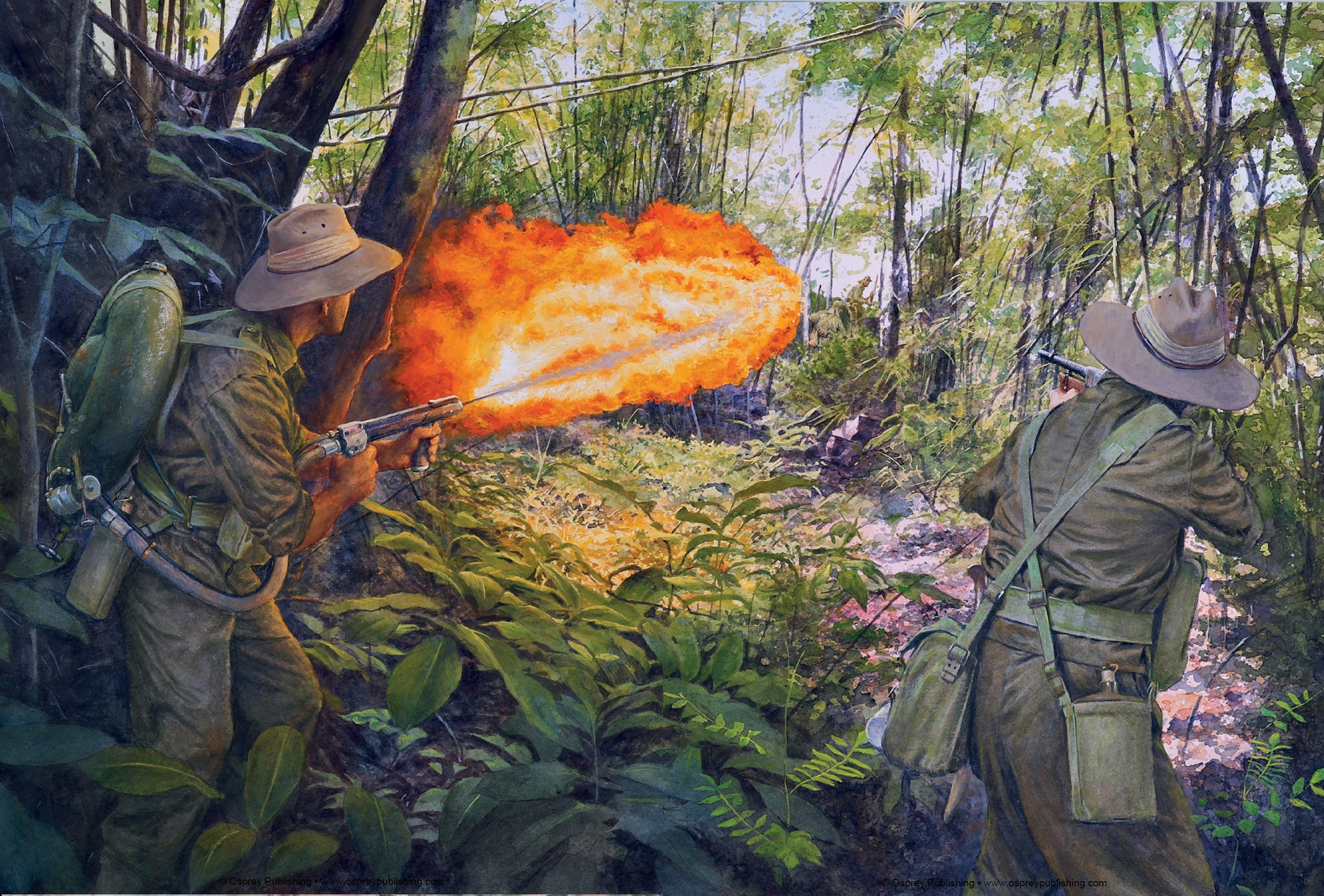
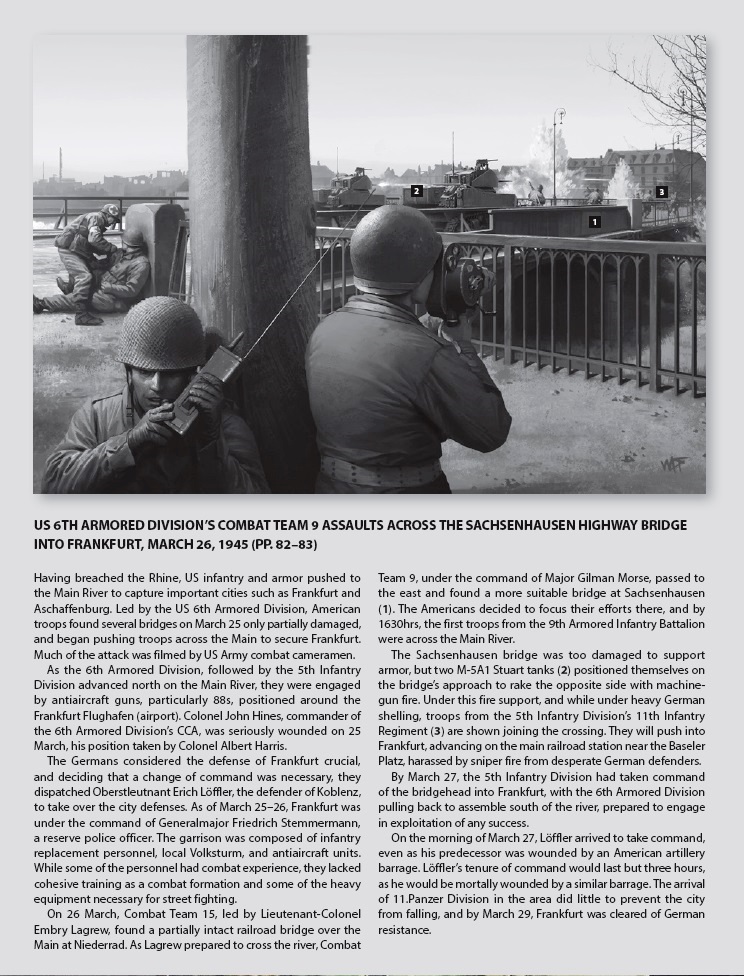
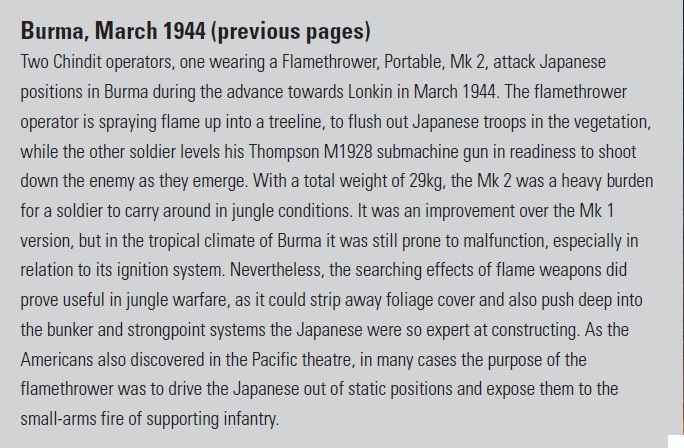
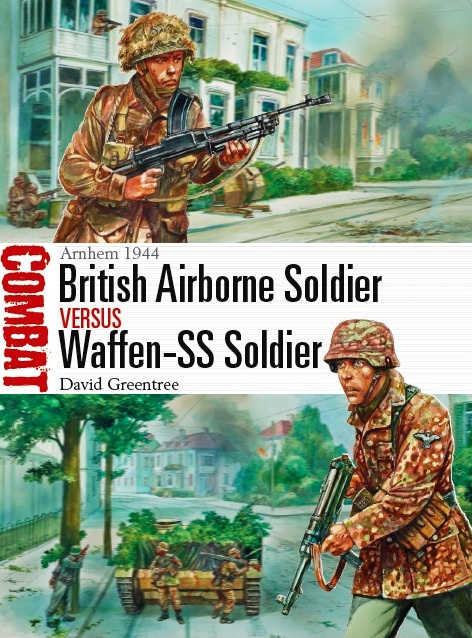
 t1aro
t1aro alZarif
 Dr.Schmeisser
 KhanBagatur
 gurvinek2005
 Crusader556
 Haktar
 Mady
Mady Valyrian_Legionnaire
 DinarMayor
 Corrector
 kosak4
 Farin Frostgeir


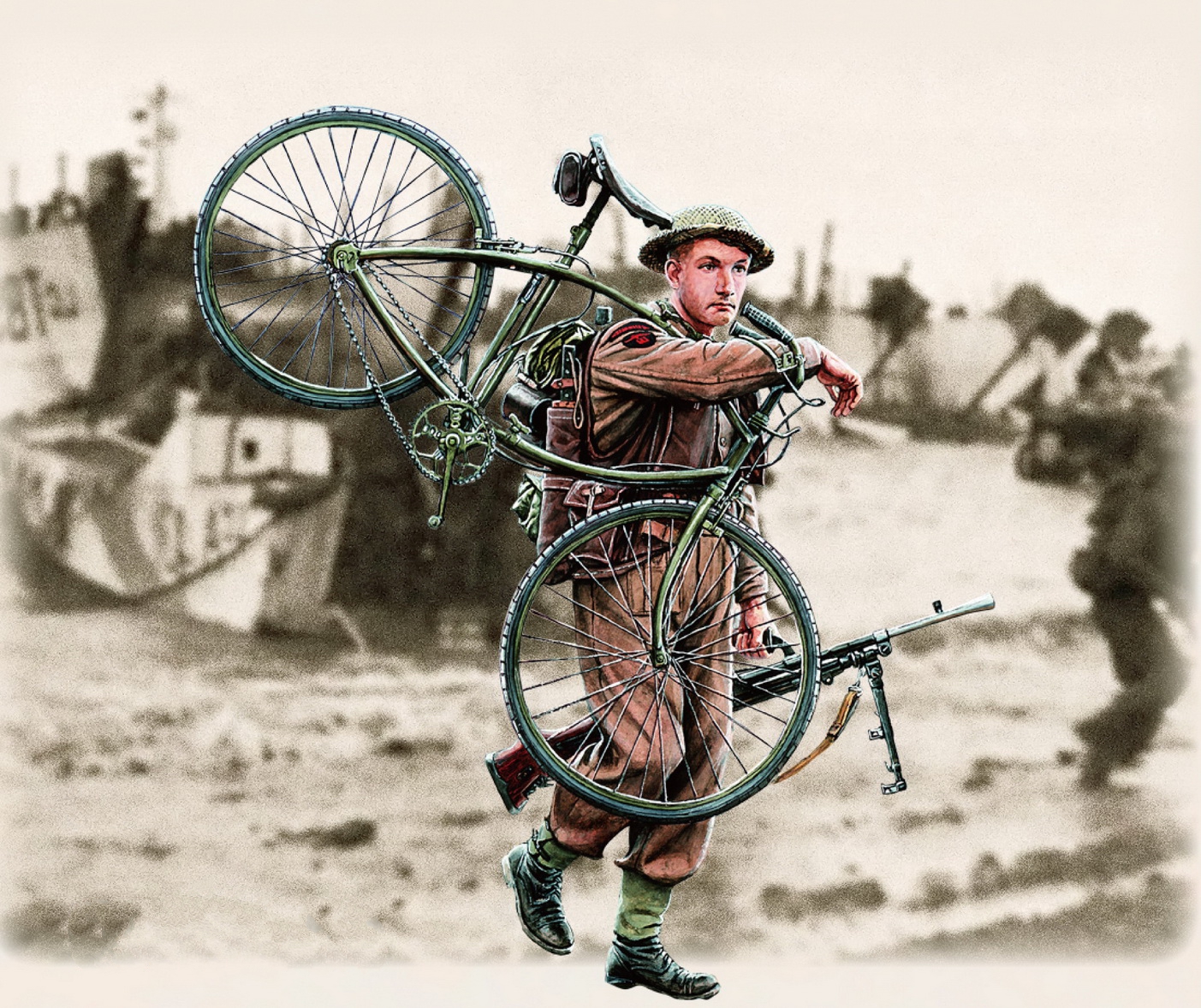
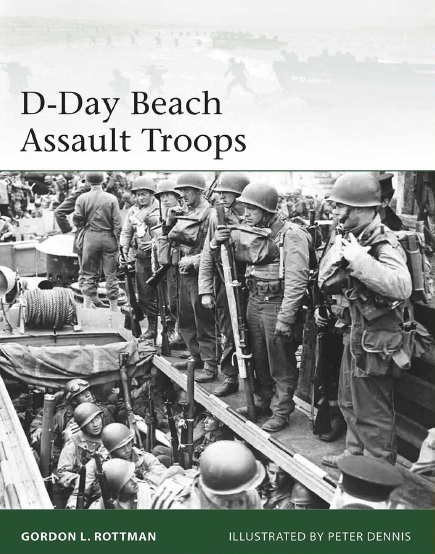
Оспрей Элит 219. Штурмовые отряды Дня Д (художник - Питер Деннис)
![Imp]()
![Imp]()
![Imp]()
![Imp]()
![Imp]()
![Imp]()
![Imp]()
![Imp]()
![Imp]()
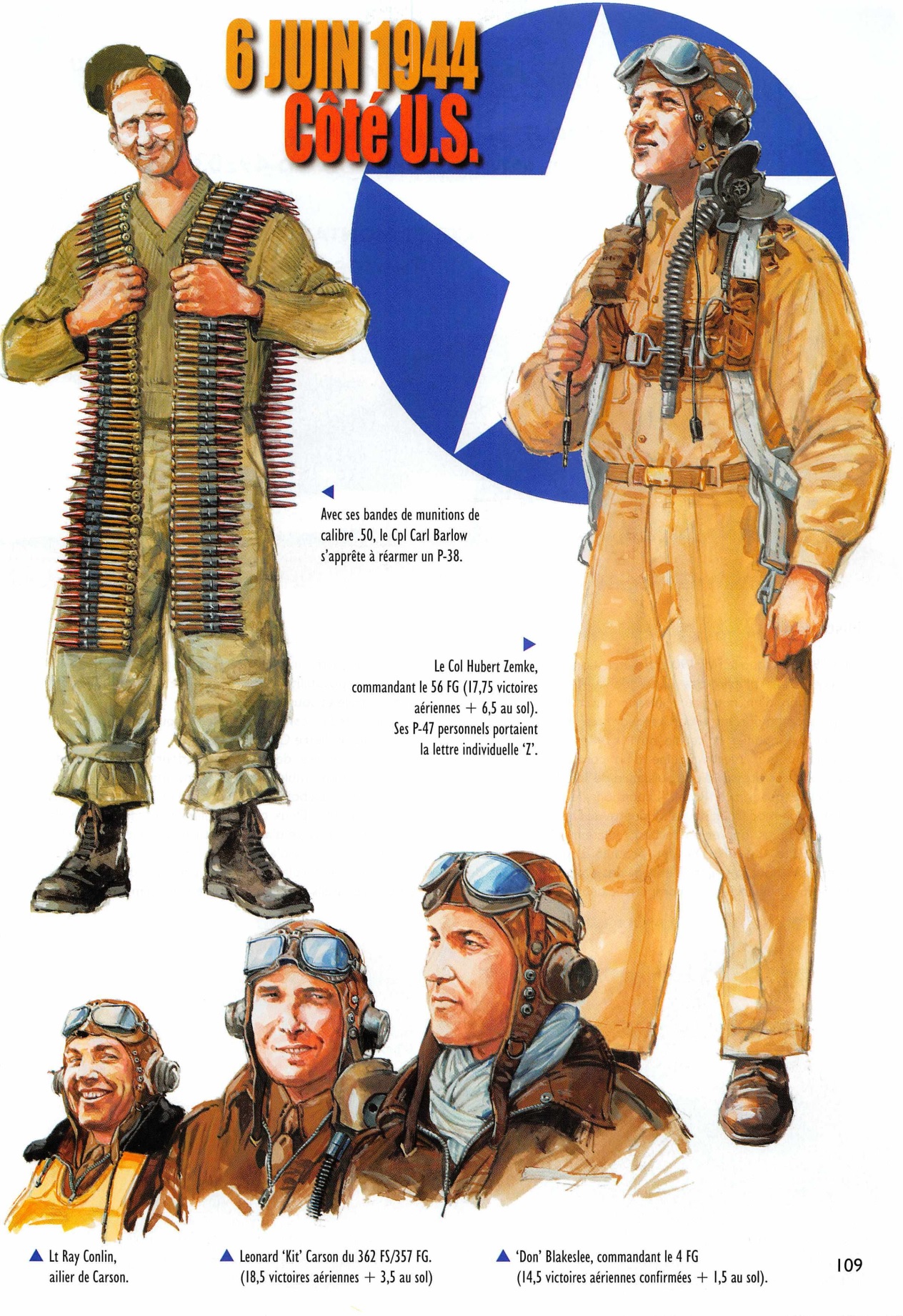
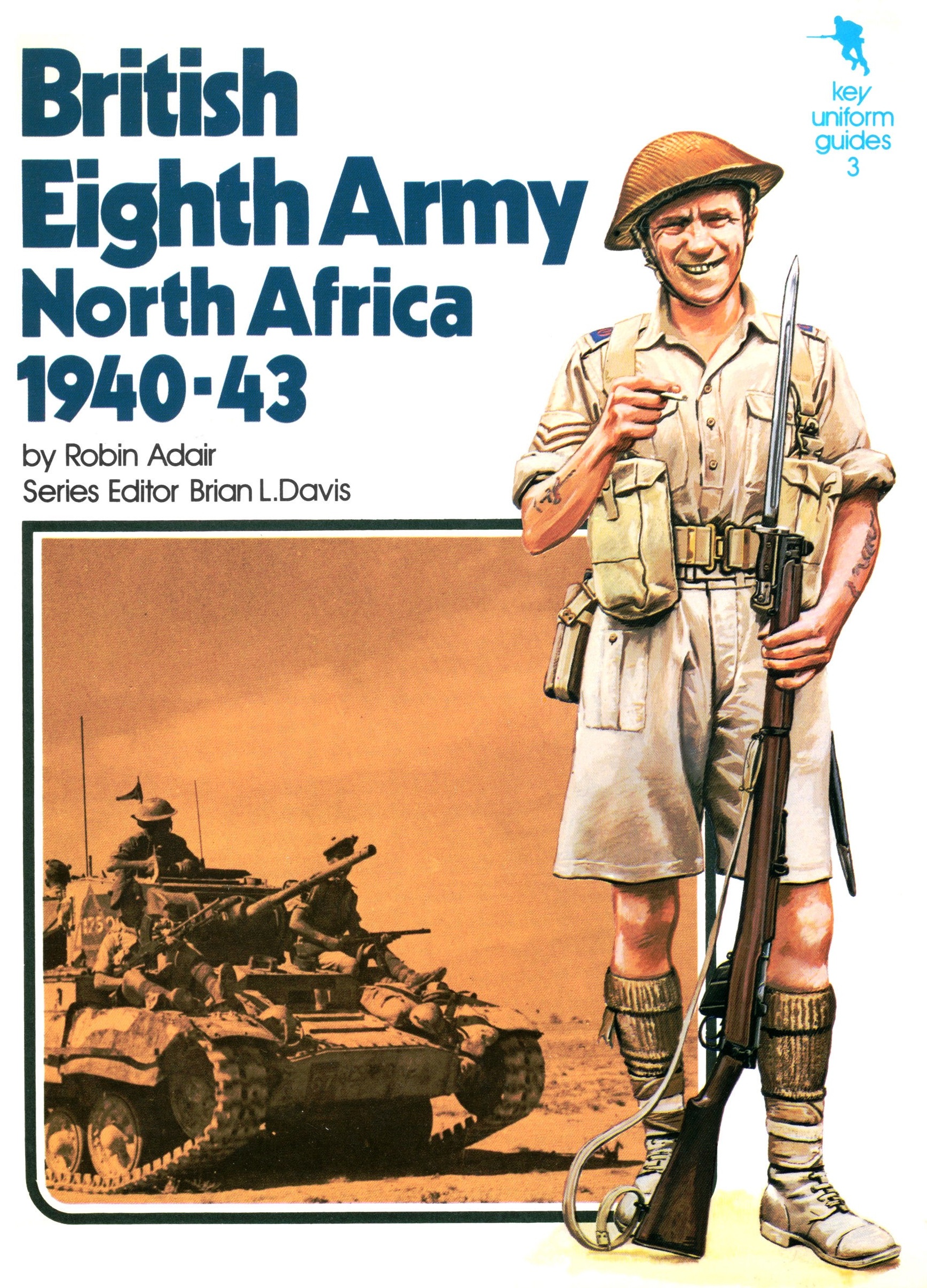
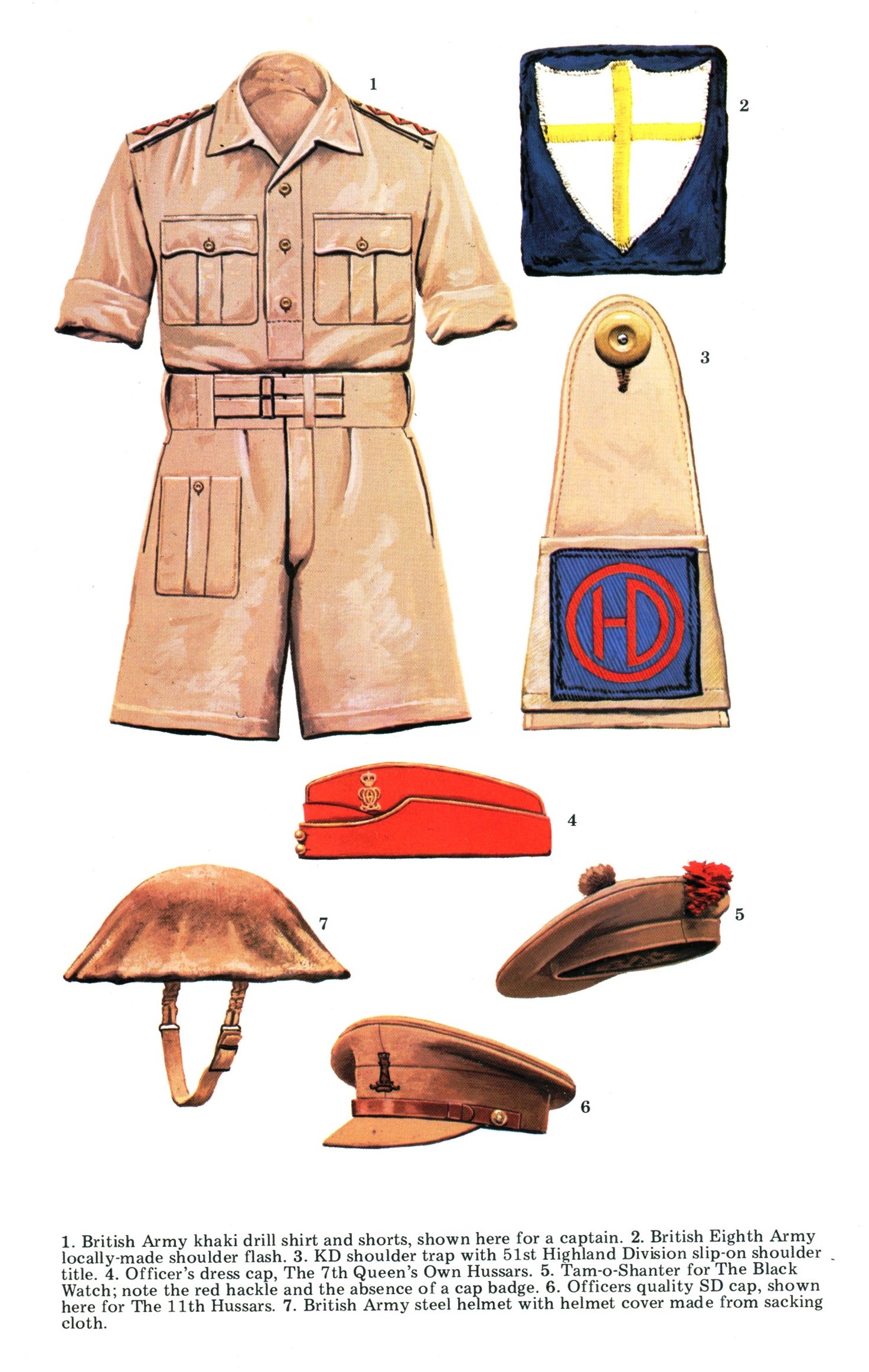
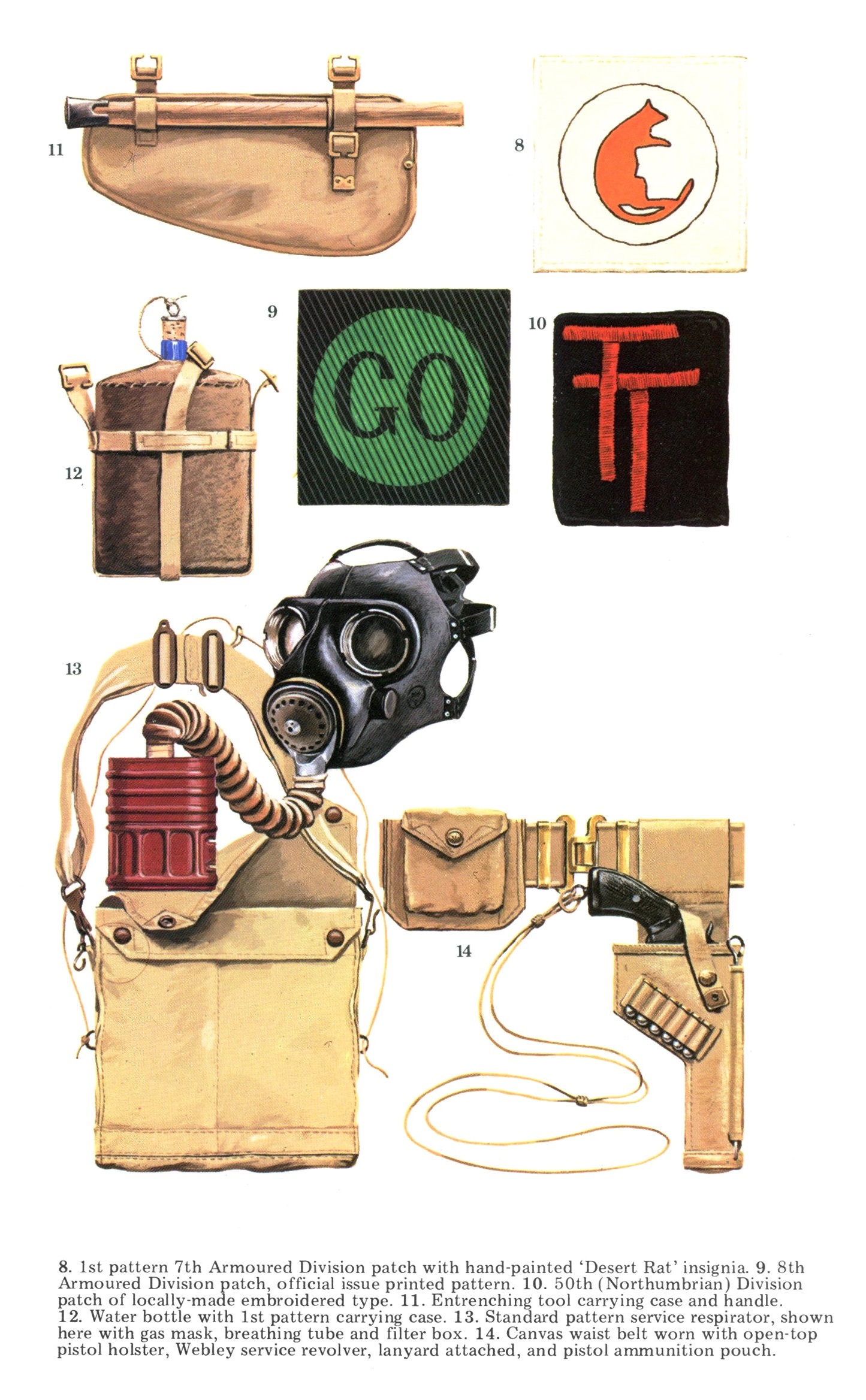
И ещё амеры и британцы по теме высадки в Нормандии:
![Imp]()
![Imp]()
![Imp]()
![Imp]()
![Imp]()
![Imp]()
A (Раскрыть)
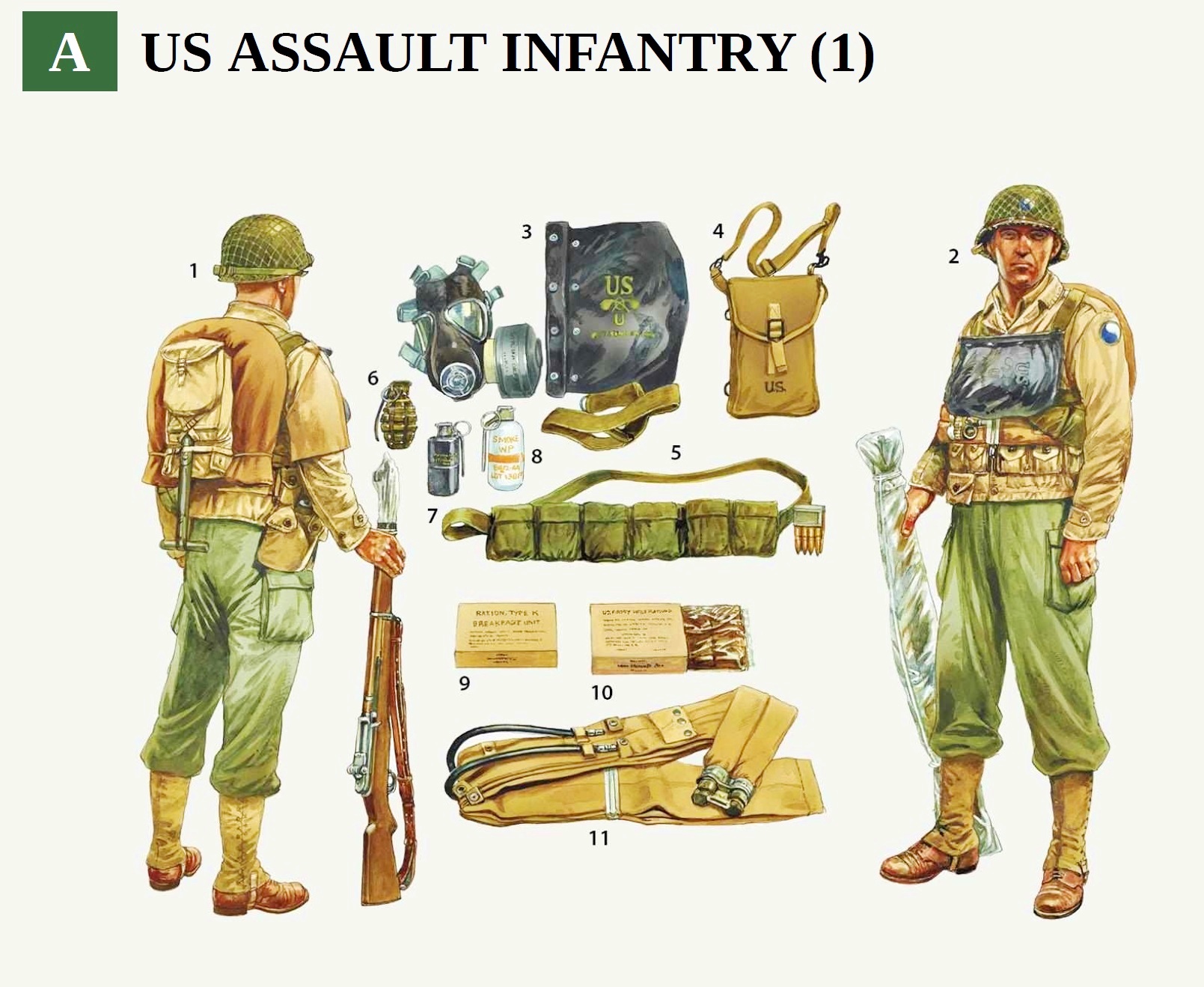
A. 1 & 2: Riflemen, 116th Infantry Regiment, 29th Infantry Division;
Omaha Beach/Dog sectors
The amphibious operation required the issue of life belts and the
waterproofing of weapons and other sensitive equipment; extra attention
was also given to the possibility of the Germans using chemical weapons
(note A1’s gas-detection brassard on his right arm). These soldiers wear M1
steel helmets with the 29th Div sign stenciled on the front, just visible under
the camouflage net. The “M1941” Parsons field jacket, bearing the same
insignia on the left shoulder, is worn over the M1943 herringbone twill
fatigue uniform, impregnated for the Normandy operation with an anti-gas
compound. The basic web equipment of an M1923 cartridge belt holding
ten clips for the M1 Garand rifle was augmented with at least one M1
bandoleer carrying another six clips; the belt also supports an M1910 1-
quart canteen and cover at rear left and an M1942 first aid pouch at front
right. The M1928 haversack has a blanket roll tied on, and an M1910 entrenching tool and M1 bayonet in M7 scabbard attached. Finally, these
soldiers both have the M5 assault gasmask, and the M1926 inflatable life
belt. Their Garands are protected for the landing with either a condom taped
around the muzzle, or a Pliofilm bag; the rifle was inserted into this butt
first, and the end folded over and tied or taped – if necessary the weapon
could be fired while still bagged.
3: M5-11-7 assault gasmask with its M7 case. It was usually strapped on
the chest with the opening edge upwards, but some photos show it attached
sideways, or even to one leg. The watertight M7 case was credited with
saving some men from drowning, since it offered some buoyancy.
4: The widely carried general purpose ammunition carrying bag held most
types of munitions used by infantrymen: 12–16x hand or rifle grenades, 4x
48-rd rifle bandoleers, 10x BAR magazines (carried by assistant gunners), a
250-rd MG belt, 3x 60mm mortar rounds, pyrotechnics, etc.
5: The disposable M1 ammunition bandoleer for 48 rounds of rifle
ammunition, with one of the 8-rd clips that was loaded into the Garand en
bloc.
Riflemen carried an assortment of hand grenades, including:
6: Mk IIA1 fragmentation;
7: Mk IIIA2 “concussion” or demolition; and
8: M15 white phosphorus (WP) smoke.
9: The cartoned K-ration meal (issued three per day) was often carried in
the trouser cargo pockets; this is a pre-1943 carton in plain buff card, still in
use in 1944 alongside the later pattern with brown, dark blue, and green
color-coding for breakfast, dinner, and supper meals, respectively.
10: Most men carried several D-ration chocolate bars.
11: The M1926 life belt was inflated by triggering two internal CO2
cartridges, and could be topped up by mouth using the external tubes. The
belt was fastened by a zinc hook-and-ring type buckle marked “U.S.N.”
Omaha Beach/Dog sectors
The amphibious operation required the issue of life belts and the
waterproofing of weapons and other sensitive equipment; extra attention
was also given to the possibility of the Germans using chemical weapons
(note A1’s gas-detection brassard on his right arm). These soldiers wear M1
steel helmets with the 29th Div sign stenciled on the front, just visible under
the camouflage net. The “M1941” Parsons field jacket, bearing the same
insignia on the left shoulder, is worn over the M1943 herringbone twill
fatigue uniform, impregnated for the Normandy operation with an anti-gas
compound. The basic web equipment of an M1923 cartridge belt holding
ten clips for the M1 Garand rifle was augmented with at least one M1
bandoleer carrying another six clips; the belt also supports an M1910 1-
quart canteen and cover at rear left and an M1942 first aid pouch at front
right. The M1928 haversack has a blanket roll tied on, and an M1910 entrenching tool and M1 bayonet in M7 scabbard attached. Finally, these
soldiers both have the M5 assault gasmask, and the M1926 inflatable life
belt. Their Garands are protected for the landing with either a condom taped
around the muzzle, or a Pliofilm bag; the rifle was inserted into this butt
first, and the end folded over and tied or taped – if necessary the weapon
could be fired while still bagged.
3: M5-11-7 assault gasmask with its M7 case. It was usually strapped on
the chest with the opening edge upwards, but some photos show it attached
sideways, or even to one leg. The watertight M7 case was credited with
saving some men from drowning, since it offered some buoyancy.
4: The widely carried general purpose ammunition carrying bag held most
types of munitions used by infantrymen: 12–16x hand or rifle grenades, 4x
48-rd rifle bandoleers, 10x BAR magazines (carried by assistant gunners), a
250-rd MG belt, 3x 60mm mortar rounds, pyrotechnics, etc.
5: The disposable M1 ammunition bandoleer for 48 rounds of rifle
ammunition, with one of the 8-rd clips that was loaded into the Garand en
bloc.
Riflemen carried an assortment of hand grenades, including:
6: Mk IIA1 fragmentation;
7: Mk IIIA2 “concussion” or demolition; and
8: M15 white phosphorus (WP) smoke.
9: The cartoned K-ration meal (issued three per day) was often carried in
the trouser cargo pockets; this is a pre-1943 carton in plain buff card, still in
use in 1944 alongside the later pattern with brown, dark blue, and green
color-coding for breakfast, dinner, and supper meals, respectively.
10: Most men carried several D-ration chocolate bars.
11: The M1926 life belt was inflated by triggering two internal CO2
cartridges, and could be topped up by mouth using the external tubes. The
belt was fastened by a zinc hook-and-ring type buckle marked “U.S.N.”
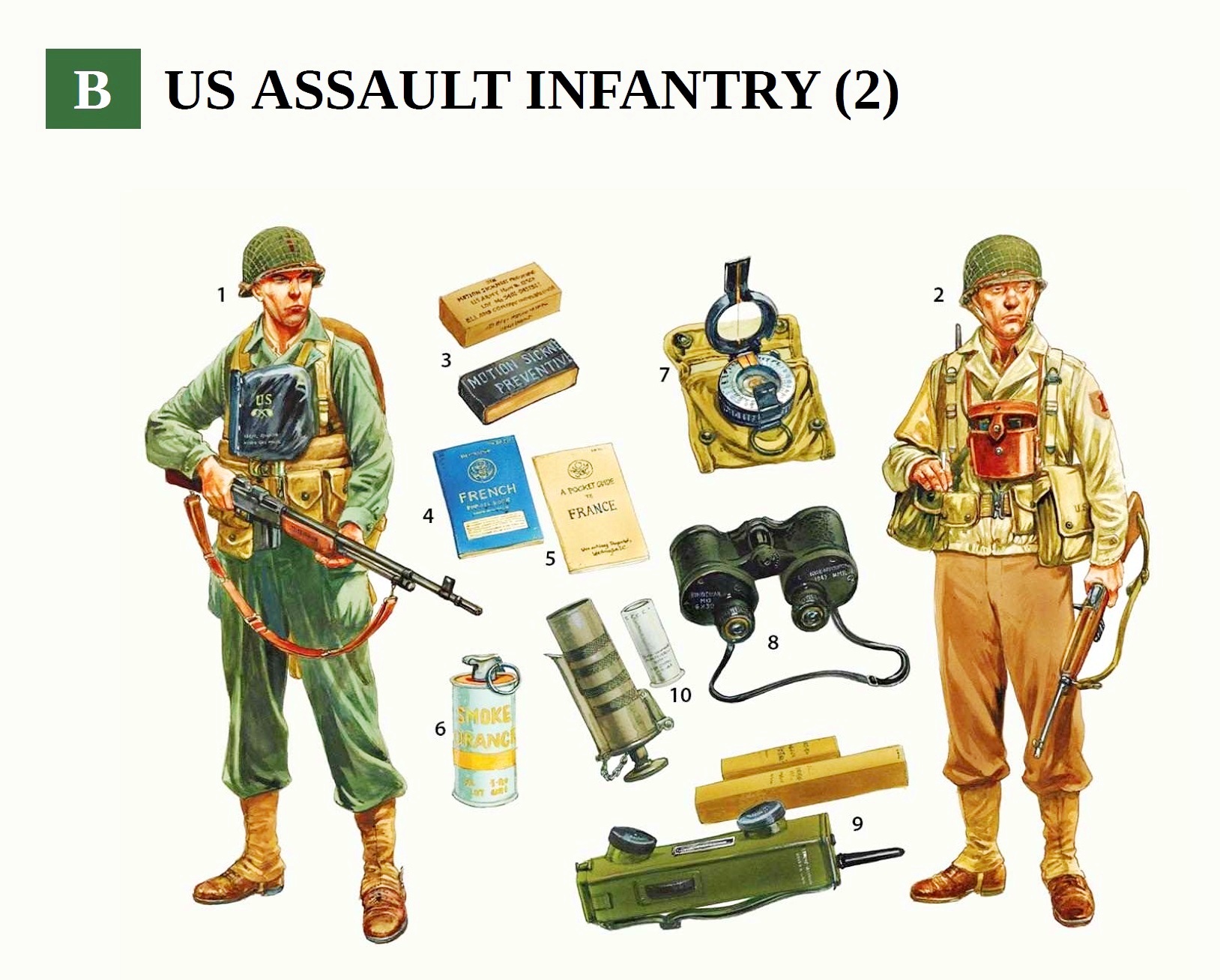
B (Раскрыть)
1: BAR man, 16th Inf Regt, 1st Inf Div; Omaha Beach/Easy or Fox
sectors
This veteran of Tunisia and Sicily has removed the bipod from his
M1918A2 Browning Automatic Rifle to save 2½lb weight. (A larger-sized
Pliofilm bag, not illustrated, was available to waterproof the BAR during
the landings.) Just visible on the front of his helmet is the 1st Div’s
stenciled red “1” within a broken black shield-shaped border, but he does
not wear a shoulder patch on his HBT fatigue shirt. He has shed his field
jacket and tucked it into his belt at the back. He wears the M1937 BAR
ammunition belt holding up to 12 magazines, but usually only eight, the
fifth and sixth pockets being used for spare parts and cleaning gear; the
M1942 first aid pouch and M1910 canteen were hooked to the belt. It is
supported by the suspender straps of his M1928 haversack (see Plate A1),
which might have an M3 trench knife with M6 scabbard attached to the left
side. Again, he has the M5 assault gasmask slung on his chest, and the
M1926 life belt around his waist over his web gear; the 16th Infantry were
issued two of these per man, one to be worn around the waist and one under
the arms, but the other equipment carried often prevented the use of the
second.
2: Rifle platoon leader, 16th Inf Regt, 1st Inf Div; Omaha Beach/Easy
or Fox sectors
This second lieutenant has had time to discard his encumbering gasmask
and life belt. He wears his field jacket, displaying the red-on-brownish OD
“Big Red One” left sleeve patch, with a gas-detection brassard at the right
shoulder; his other garments are an officer’s “chocolate” shirt (OD Shade
51), and wool trousers, web leggings, and field shoes like his men. Officers
armed with the M1 carbine wore the web M1936 pistol belt and suspenders.
The front and sides of the belt are rather crowded: he carries on his right
hip, obscured here, a first aid pouch, and possibly a holstered M1911A1
pistol, and certainly has his canteen hooked behind his left hip. Visible are
an M1938 lensatic compass in its case, and one of two carbine magazine
pockets. He has an M1936 field or “musette” bag crammed full of his
personal kit and slung to his right hip, and on his left the M1938 dispatch
(map) case. There is no room on his belt for the russet leather M17 case of
his M13 binoculars, which he has slung on his chest. Finally, just visible
slung behind his shoulder is an SCR-536 radio; in June 1944 the US Army
were alone in issuing a radio to platoon leaders.
(3) A carton of six motion-sickness pills (2½in long) was issued, sometimes
with a silver-and-black wrapper.
(4 & 5) Troops received a French phrase book, and A Pocket Guide to
France.
(6) The M16 orange smoke grenade was for marking friendly positions by
day.
(7) M1938 lensatic compass and its case.
(8) 6x30 M13 binoculars.
(9) The SCR-536 “handie-talkie” radio (overall length 125/8in) was
switched on by removing the conical cover and extending the antenna. It
was powered by a shorter BA-37 and a longer BA-38 battery, inserted
through the hinge-open base.
(10) The M9 hand pyrotechnic projector (75/8in long, 37mm bore) took
aluminum flare cartridges, here the AN-M44A2 single yellow star round for
identifying friendly positions at night.
1: BAR man, 16th Inf Regt, 1st Inf Div; Omaha Beach/Easy or Fox
sectors
This veteran of Tunisia and Sicily has removed the bipod from his
M1918A2 Browning Automatic Rifle to save 2½lb weight. (A larger-sized
Pliofilm bag, not illustrated, was available to waterproof the BAR during
the landings.) Just visible on the front of his helmet is the 1st Div’s
stenciled red “1” within a broken black shield-shaped border, but he does
not wear a shoulder patch on his HBT fatigue shirt. He has shed his field
jacket and tucked it into his belt at the back. He wears the M1937 BAR
ammunition belt holding up to 12 magazines, but usually only eight, the
fifth and sixth pockets being used for spare parts and cleaning gear; the
M1942 first aid pouch and M1910 canteen were hooked to the belt. It is
supported by the suspender straps of his M1928 haversack (see Plate A1),
which might have an M3 trench knife with M6 scabbard attached to the left
side. Again, he has the M5 assault gasmask slung on his chest, and the
M1926 life belt around his waist over his web gear; the 16th Infantry were
issued two of these per man, one to be worn around the waist and one under
the arms, but the other equipment carried often prevented the use of the
second.
2: Rifle platoon leader, 16th Inf Regt, 1st Inf Div; Omaha Beach/Easy
or Fox sectors
This second lieutenant has had time to discard his encumbering gasmask
and life belt. He wears his field jacket, displaying the red-on-brownish OD
“Big Red One” left sleeve patch, with a gas-detection brassard at the right
shoulder; his other garments are an officer’s “chocolate” shirt (OD Shade
51), and wool trousers, web leggings, and field shoes like his men. Officers
armed with the M1 carbine wore the web M1936 pistol belt and suspenders.
The front and sides of the belt are rather crowded: he carries on his right
hip, obscured here, a first aid pouch, and possibly a holstered M1911A1
pistol, and certainly has his canteen hooked behind his left hip. Visible are
an M1938 lensatic compass in its case, and one of two carbine magazine
pockets. He has an M1936 field or “musette” bag crammed full of his
personal kit and slung to his right hip, and on his left the M1938 dispatch
(map) case. There is no room on his belt for the russet leather M17 case of
his M13 binoculars, which he has slung on his chest. Finally, just visible
slung behind his shoulder is an SCR-536 radio; in June 1944 the US Army
were alone in issuing a radio to platoon leaders.
(3) A carton of six motion-sickness pills (2½in long) was issued, sometimes
with a silver-and-black wrapper.
(4 & 5) Troops received a French phrase book, and A Pocket Guide to
France.
(6) The M16 orange smoke grenade was for marking friendly positions by
day.
(7) M1938 lensatic compass and its case.
(8) 6x30 M13 binoculars.
(9) The SCR-536 “handie-talkie” radio (overall length 125/8in) was
switched on by removing the conical cover and extending the antenna. It
was powered by a shorter BA-37 and a longer BA-38 battery, inserted
through the hinge-open base.
(10) The M9 hand pyrotechnic projector (75/8in long, 37mm bore) took
aluminum flare cartridges, here the AN-M44A2 single yellow star round for
identifying friendly positions at night.
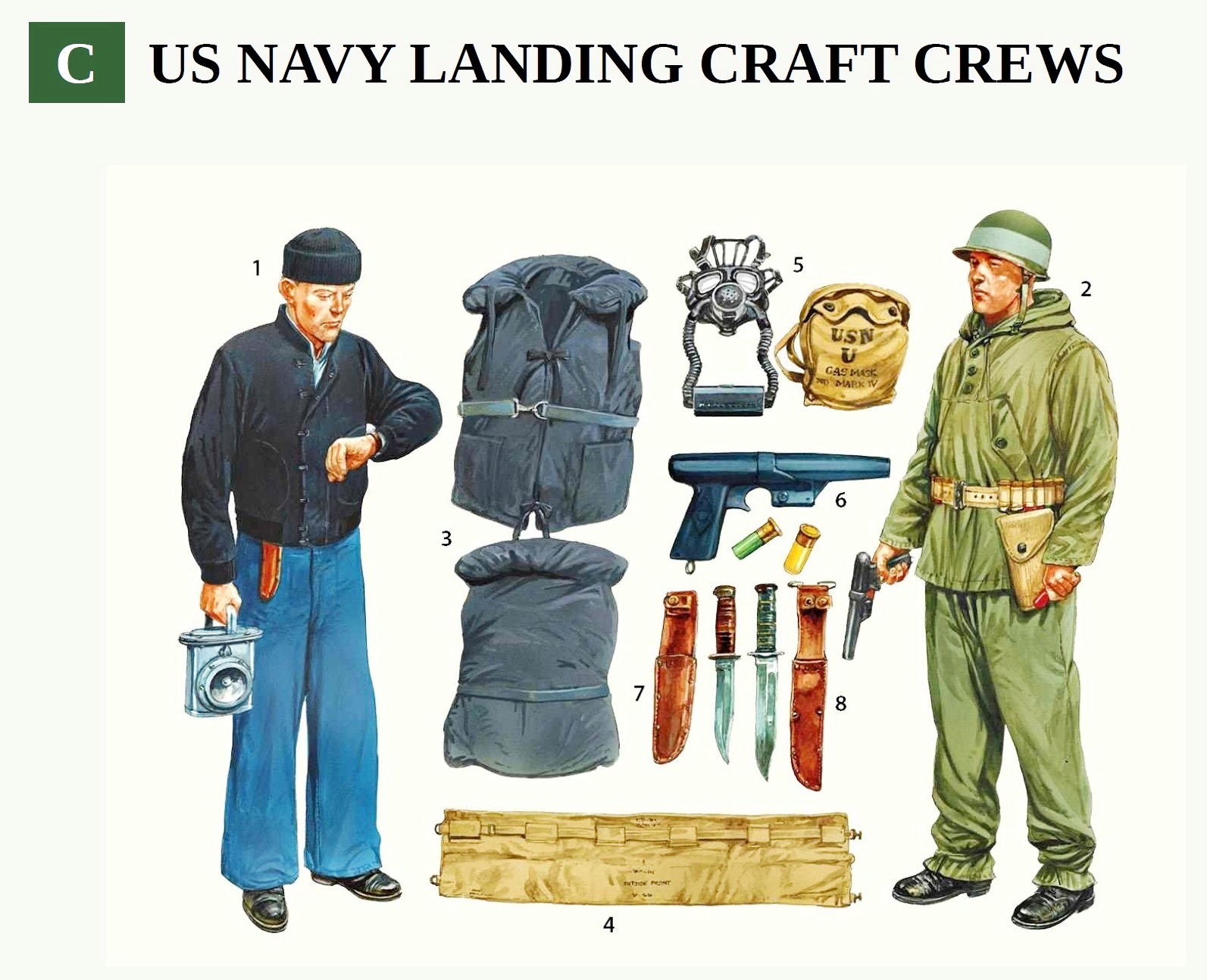
C (Раскрыть)
The naval task forces included some 2,600 landing craft. In the Western TF
for the American beaches the sailors facing the greatest dangers alongside
the assault troops were several thousand crewmen manning US Navy
landing, control and fire support craft, plus Seabees, beach party personnel,
and demolitions specialists. Included were US Coast Guardsmen under
Navy command manning troop transports, LSTs, LCIs, and rescue boats.
Those required to go ashore were generally armed with M1903 rifles or M1
carbines (see Plate D).
1: LCVP CREWMAN
The crew of a Landing Craft, Vehicle and Personnel or “Higgins boat”
consisted of the coxswain (rear left side, immediately forward of engine
compartment); a motorman, who operated the ramp winch controls (right of
the coxswain) and manned one of the two 30cal M1919A4 MGs in rear
“manholes,” and a seaman manning the other; and sometimes a fourth sailor
employed as a bowman. The basic seaman’s uniform was a light blue
chambray shirt, dark blue denim dungaree trousers, laced black leather N-1
shoes, and either a white sailor’s cap, black knit watch cap, or the M1 steel
helmet. Various types of jackets or parkas were available; this sailor wears
the wind- and waterproof N-1 winter deck jacket, which had “U.S.NAVY”
stenciled in white across the back of the shoulders (this jacket was also
made in khaki). Partly visible under the jacket is a Mk 1 utility knife on his
belt – see (7) and (8) below. The Delta Electronics Type JR-IS battle lantern
was found aboard all naval craft; it used two 1.5-volt No.6 batteries. (For
clarity we have omitted from both figures the routinely worn life preserver
– see 3 & 4.)
2: Landing craft control boat crewman
The steel helmet was often either painted gray, or displayed a 2in gray band,
sometimes with a white or black stenciled “USN” on the front or back;
being overpainted on an OD helmet made the band appear blue-gray. This
LCC crewman wears a hooded pullover jacket and N-1 trousers both made
of heavy wind- and waterproof treated OD fabric. He has a Mk 5 signal
pistol, with its tan web holster and cartridge belt.
3: The general purpose Model No. 2 kapok-filled life preserver was issued
to landing-craft crewmen in various shades of gray; front and back are
illustrated.
4: Less used was the P6 single-tube Type B pneumatic life belt, much
simplified from the two-tube M1926 and lacking its CO2 inflation
cartridges. As well as this tan fabric, they were also made in OD.
5: Most early-arriving Navy personnel carried the Army M5 assault
gasmask, but others were issued this Navy diaphragm (ND) Mk IV type.
6: The Mk 5 pyrotechnic pistol (11in long) came with a web holster, and a
32-loop belt for its 10-gauge (.79cal/ 20mm) Mk 2 flare cartridges, which
were available in red, green, and yellow.
7 & 8: Both the Mk 1 and Mk 2 utility knives were issued to landing-craft
crewmen and other shore-combatant sailors. The Mk 1 had a 5in or 6in
blade; the Mk 2, with a 7in blade, was a copy of the US Marine Corps’ “Ka-
Bar” Mk 2 fighting knife. Many sailors also carried jackknives in pockets
or hung from belts.
The naval task forces included some 2,600 landing craft. In the Western TF
for the American beaches the sailors facing the greatest dangers alongside
the assault troops were several thousand crewmen manning US Navy
landing, control and fire support craft, plus Seabees, beach party personnel,
and demolitions specialists. Included were US Coast Guardsmen under
Navy command manning troop transports, LSTs, LCIs, and rescue boats.
Those required to go ashore were generally armed with M1903 rifles or M1
carbines (see Plate D).
1: LCVP CREWMAN
The crew of a Landing Craft, Vehicle and Personnel or “Higgins boat”
consisted of the coxswain (rear left side, immediately forward of engine
compartment); a motorman, who operated the ramp winch controls (right of
the coxswain) and manned one of the two 30cal M1919A4 MGs in rear
“manholes,” and a seaman manning the other; and sometimes a fourth sailor
employed as a bowman. The basic seaman’s uniform was a light blue
chambray shirt, dark blue denim dungaree trousers, laced black leather N-1
shoes, and either a white sailor’s cap, black knit watch cap, or the M1 steel
helmet. Various types of jackets or parkas were available; this sailor wears
the wind- and waterproof N-1 winter deck jacket, which had “U.S.NAVY”
stenciled in white across the back of the shoulders (this jacket was also
made in khaki). Partly visible under the jacket is a Mk 1 utility knife on his
belt – see (7) and (8) below. The Delta Electronics Type JR-IS battle lantern
was found aboard all naval craft; it used two 1.5-volt No.6 batteries. (For
clarity we have omitted from both figures the routinely worn life preserver
– see 3 & 4.)
2: Landing craft control boat crewman
The steel helmet was often either painted gray, or displayed a 2in gray band,
sometimes with a white or black stenciled “USN” on the front or back;
being overpainted on an OD helmet made the band appear blue-gray. This
LCC crewman wears a hooded pullover jacket and N-1 trousers both made
of heavy wind- and waterproof treated OD fabric. He has a Mk 5 signal
pistol, with its tan web holster and cartridge belt.
3: The general purpose Model No. 2 kapok-filled life preserver was issued
to landing-craft crewmen in various shades of gray; front and back are
illustrated.
4: Less used was the P6 single-tube Type B pneumatic life belt, much
simplified from the two-tube M1926 and lacking its CO2 inflation
cartridges. As well as this tan fabric, they were also made in OD.
5: Most early-arriving Navy personnel carried the Army M5 assault
gasmask, but others were issued this Navy diaphragm (ND) Mk IV type.
6: The Mk 5 pyrotechnic pistol (11in long) came with a web holster, and a
32-loop belt for its 10-gauge (.79cal/ 20mm) Mk 2 flare cartridges, which
were available in red, green, and yellow.
7 & 8: Both the Mk 1 and Mk 2 utility knives were issued to landing-craft
crewmen and other shore-combatant sailors. The Mk 1 had a 5in or 6in
blade; the Mk 2, with a 7in blade, was a copy of the US Marine Corps’ “Ka-
Bar” Mk 2 fighting knife. Many sailors also carried jackknives in pockets
or hung from belts.
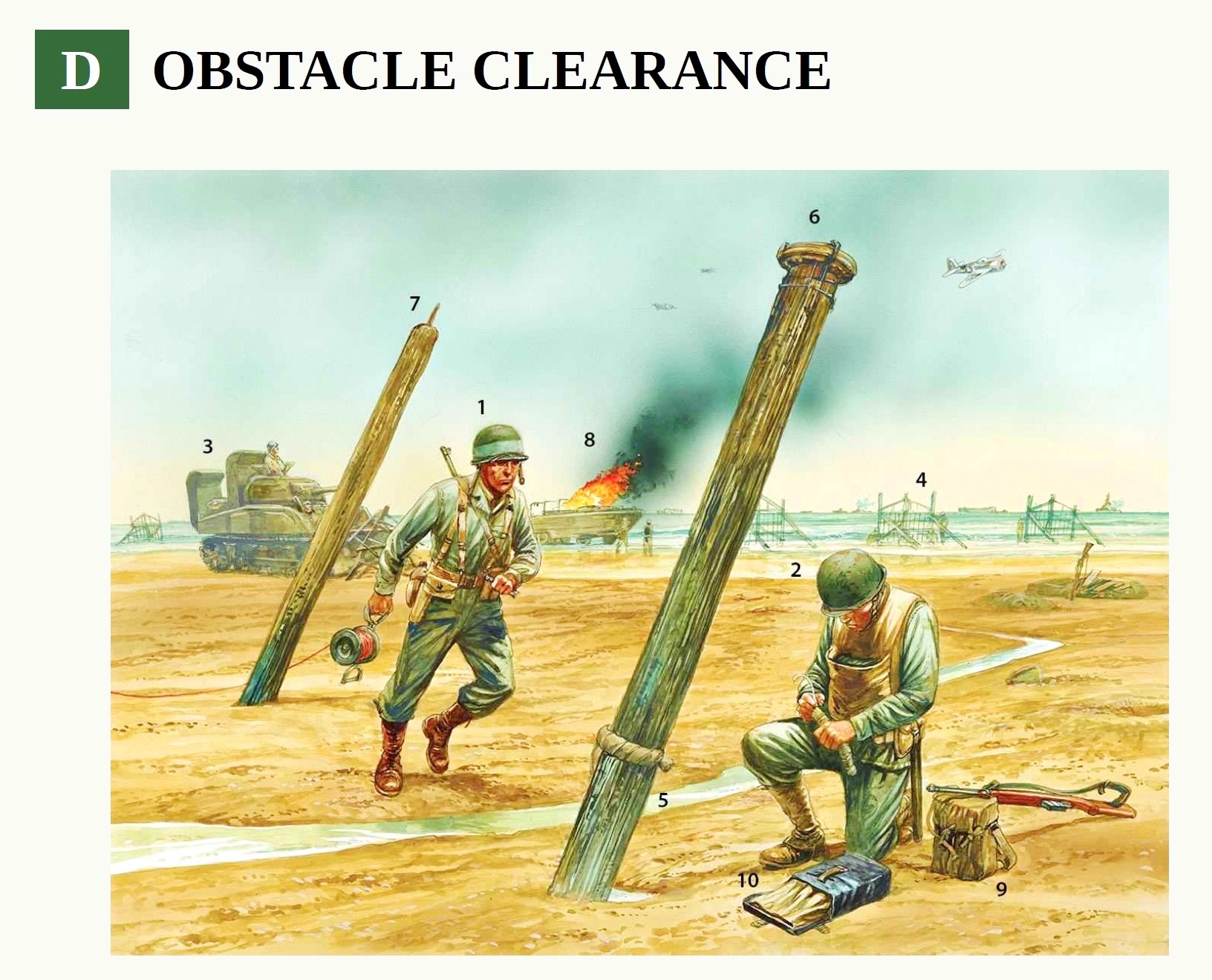
D (Раскрыть)
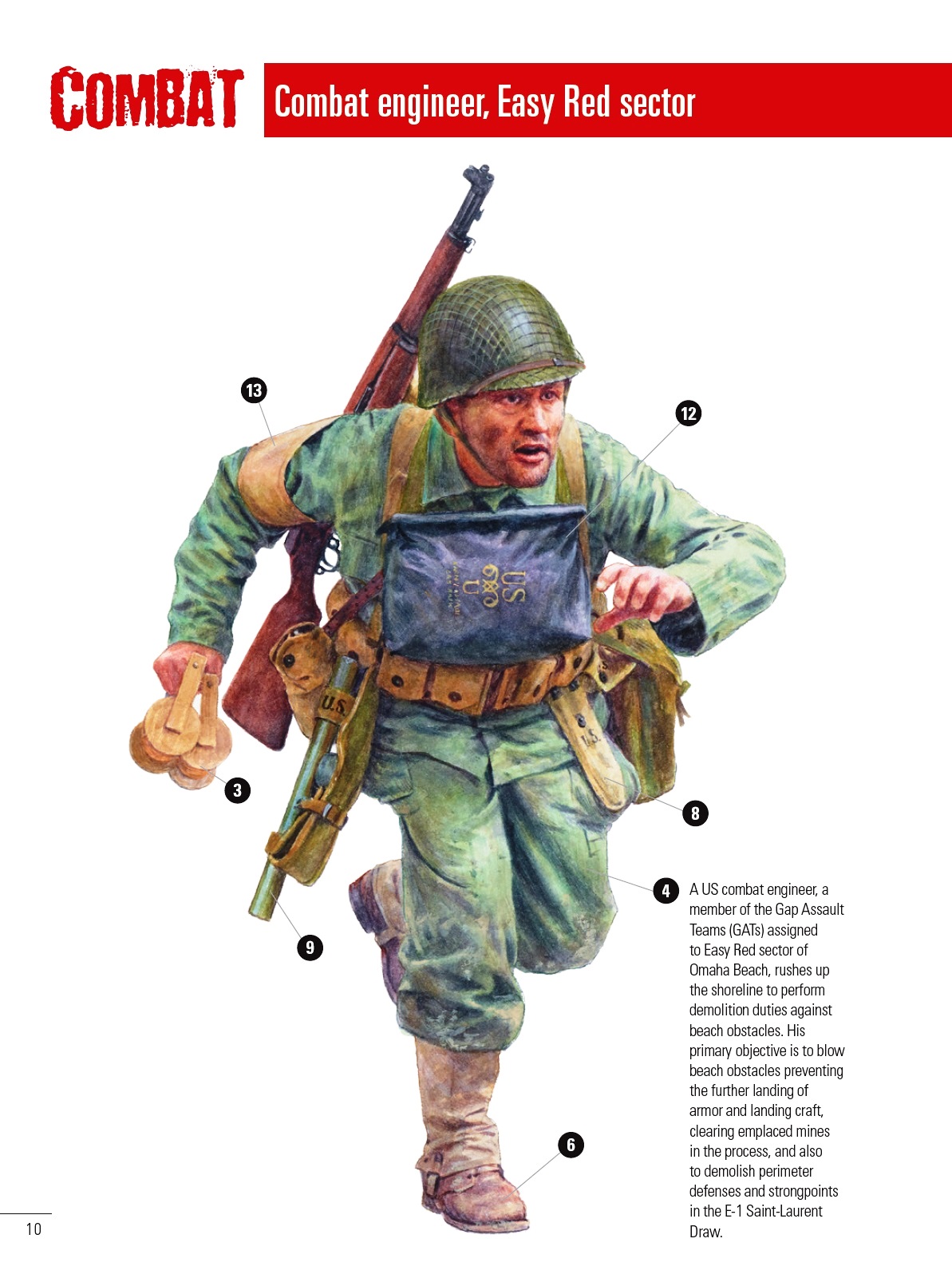
Among the non-infantry units well represented in the assault waves were
the Navy Combat Demolition Units (NCDUs) trained at the Scout and
Raider School in Florida. In England they were merged with Army
engineers to form joint Gap Assault Teams, each with 14 Navy and 27
Army personnel, and – theoretically – support from a Sherman tank-dozer.
After only two weeks for joint training, the teams crossed the Channel in
LCMs, every half-dozen men landing with 500lb of explosives in an
LCR(S) inflatable boat which was to be dragged up the beach as the tide
rose. Under V Corps’ Special Engineer Task Force, 21 Gap Teams were
landed on Omaha Beach, and VII Corps landed 12 similar Beach Obstacle
Demolition Parties on Utah. In the initial chaos the first teams on Omaha
took heavy casualties and lost most of their inflatable boats, but they
eventually managed to open five channels.
This less hectic scenario is set during the afternoon low tide, when
survivors were continuing to clear obstacles for follow-on landings. Most
required considerable amounts of explosive to destroy them; doing so
endangered nearby friendly troops (engineers were supposed to pop M16
violet smoke grenades to warn them), and scattered debris that hampered
vehicles. In the left foreground is a Navy demolitionist (1); his helmet is
marked with a 2in Navy-gray band, and he wears a one-piece OD
herringbone twill coverall and paratrooper boots. The Army engineer (2)
has two-piece HBT fatigues worn with leggings and field shoes; both men
have web pistol belts and suspenders, and are armed with M1 carbines. The
Sherman tank-dozer (3) in the background is fitted with an MT-S deepwading
trunks on its rear deck.
A way was devised to cut and collapse the massive steel “Belgian gates”
(4) by means of 16 Hagensen charges. The flexible Hagensen pack (5) was
developed by Navy Lt(jg) Carl Hagensen of NCDU 30, using an M3 2¼lb
block of C2 plastic explosive; for lack of sufficient canvas tubes, they were
made up using a GI sock. A pebble was tied off in the toe with twine; 12in
of instantaneous fuse (“detcord” or “primacord”) protruded from the other
end, which was tied with bailing wire, leaving a trailing end that could be
looped around the pebble “button” to fasten the charge to an obstacle. Any
number could be used together, with the detonating fuses tied into a “ring
main” of detcord linking any number of obstacles for simultaneous
destruction. Here the Navy demolitionist feeds out special red detcord for
this purpose, from a 500ft reel with detachable handles.3
The Army engineer prepares to blow a stake topped with a Tellermine 35
(6). Poorly waterproofed, these often failed to detonate after months in
seawater. If this mine doesn’t explode when the engineer sets off his two
Hagensen packs, it will be destroyed with a ½lb TNT block; he carries
demolition materials in an M2 ammunition bag slung over his torso front
and back. Many of the posts anyway lacked mines, but might instead be
tipped with an iron spike (7) to rip into a landing craft’s wooden hull. In the
distance, a DUKW 2½-ton amphibian truck blazes, probably hit by mortar
fire (8); these “Ducks” were mostly used to bring in artillery ammunition,
being prized for their ability to run it straight up the beach and on to where
it was needed. In the foreground are a demolition satchel charge (9), and a
Size 1 all-purpose waterproof bag (10).
3 For fuller details of demolitions, see Elite 144, US World War II Amphibious Tactics,
Mediterranean & European Theaters; and Elite 203, World War II US Navy Special Warfare Units.
the Navy Combat Demolition Units (NCDUs) trained at the Scout and
Raider School in Florida. In England they were merged with Army
engineers to form joint Gap Assault Teams, each with 14 Navy and 27
Army personnel, and – theoretically – support from a Sherman tank-dozer.
After only two weeks for joint training, the teams crossed the Channel in
LCMs, every half-dozen men landing with 500lb of explosives in an
LCR(S) inflatable boat which was to be dragged up the beach as the tide
rose. Under V Corps’ Special Engineer Task Force, 21 Gap Teams were
landed on Omaha Beach, and VII Corps landed 12 similar Beach Obstacle
Demolition Parties on Utah. In the initial chaos the first teams on Omaha
took heavy casualties and lost most of their inflatable boats, but they
eventually managed to open five channels.
This less hectic scenario is set during the afternoon low tide, when
survivors were continuing to clear obstacles for follow-on landings. Most
required considerable amounts of explosive to destroy them; doing so
endangered nearby friendly troops (engineers were supposed to pop M16
violet smoke grenades to warn them), and scattered debris that hampered
vehicles. In the left foreground is a Navy demolitionist (1); his helmet is
marked with a 2in Navy-gray band, and he wears a one-piece OD
herringbone twill coverall and paratrooper boots. The Army engineer (2)
has two-piece HBT fatigues worn with leggings and field shoes; both men
have web pistol belts and suspenders, and are armed with M1 carbines. The
Sherman tank-dozer (3) in the background is fitted with an MT-S deepwading
trunks on its rear deck.
A way was devised to cut and collapse the massive steel “Belgian gates”
(4) by means of 16 Hagensen charges. The flexible Hagensen pack (5) was
developed by Navy Lt(jg) Carl Hagensen of NCDU 30, using an M3 2¼lb
block of C2 plastic explosive; for lack of sufficient canvas tubes, they were
made up using a GI sock. A pebble was tied off in the toe with twine; 12in
of instantaneous fuse (“detcord” or “primacord”) protruded from the other
end, which was tied with bailing wire, leaving a trailing end that could be
looped around the pebble “button” to fasten the charge to an obstacle. Any
number could be used together, with the detonating fuses tied into a “ring
main” of detcord linking any number of obstacles for simultaneous
destruction. Here the Navy demolitionist feeds out special red detcord for
this purpose, from a 500ft reel with detachable handles.3
The Army engineer prepares to blow a stake topped with a Tellermine 35
(6). Poorly waterproofed, these often failed to detonate after months in
seawater. If this mine doesn’t explode when the engineer sets off his two
Hagensen packs, it will be destroyed with a ½lb TNT block; he carries
demolition materials in an M2 ammunition bag slung over his torso front
and back. Many of the posts anyway lacked mines, but might instead be
tipped with an iron spike (7) to rip into a landing craft’s wooden hull. In the
distance, a DUKW 2½-ton amphibian truck blazes, probably hit by mortar
fire (8); these “Ducks” were mostly used to bring in artillery ammunition,
being prized for their ability to run it straight up the beach and on to where
it was needed. In the foreground are a demolition satchel charge (9), and a
Size 1 all-purpose waterproof bag (10).
3 For fuller details of demolitions, see Elite 144, US World War II Amphibious Tactics,
Mediterranean & European Theaters; and Elite 203, World War II US Navy Special Warfare Units.
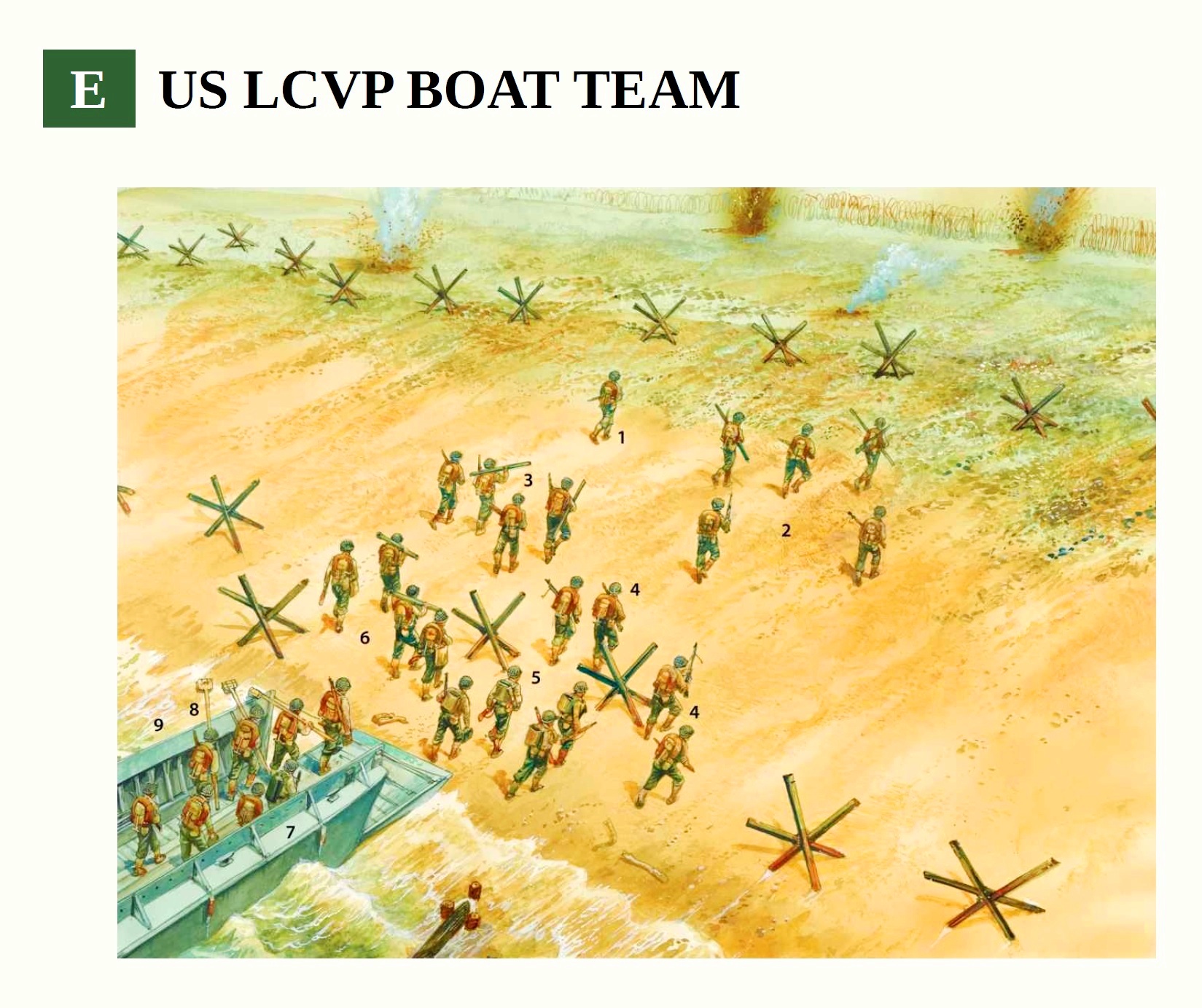
E (Раскрыть)
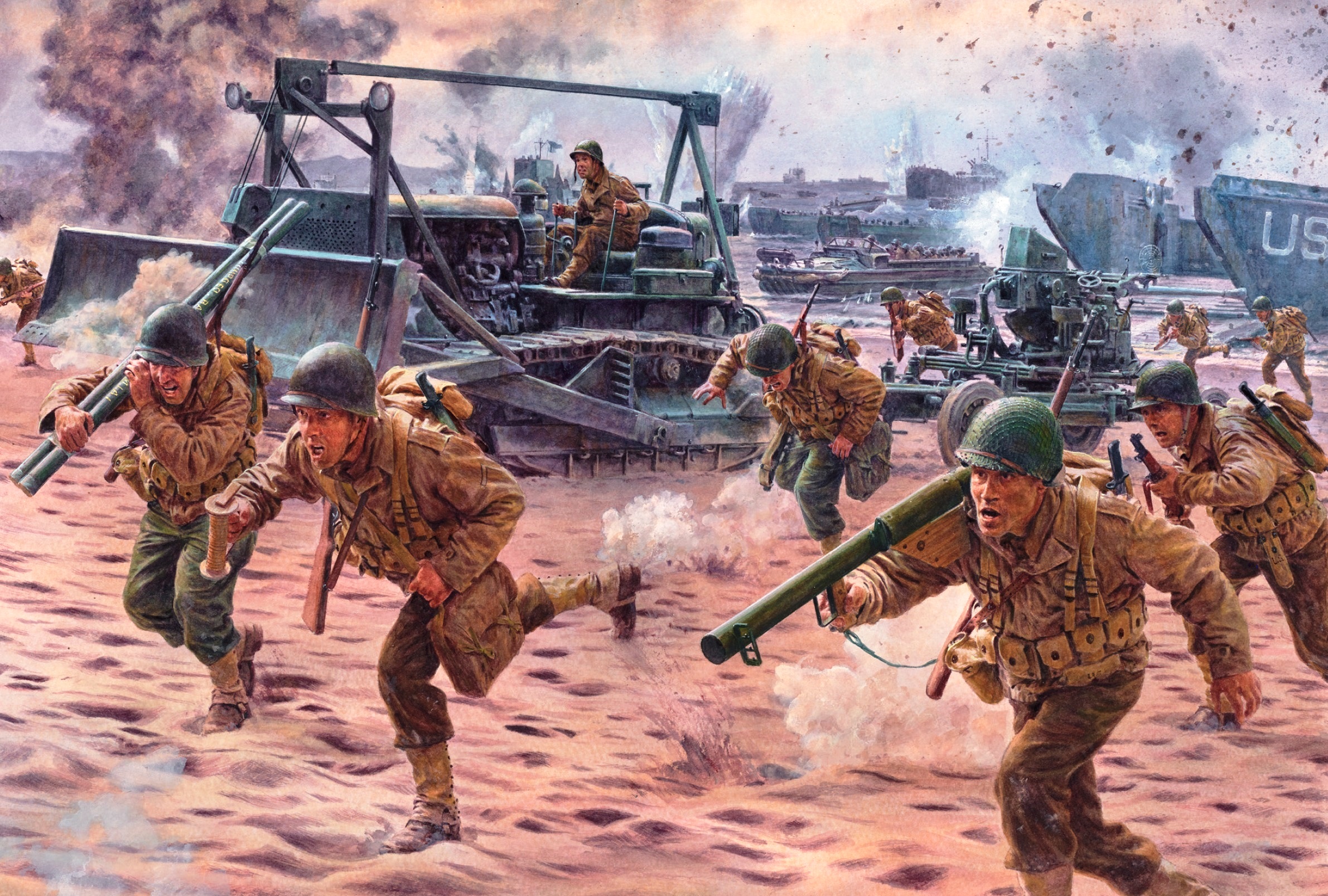
The LCVP was built entirely of wood except for the steel bow ramp and
0.2in steel plates along the front three-quarters of the hull sides. It could
carry 36 combat-equipped troops; a light artillery piece or AT gun; a loaded
jeep plus 12 men; or 8,100lb of cargo. Loaded draft was 2ft 2in forward and
3ft aft, and top speed 12 knots.
Since a 41-man rifle platoon and its habitual attachments did not fit in an
LCVP, Battalion Landing Teams were organized into boat teams – four
assault boats per company, plus a fifth support boat with heavier crewserved
weapons, and a sixth command boat. Exact organization varied
between units, and even within the same battalion. Here an assault boat
team is shown disembarking at near high tide and beginning to shake out as
they run up the beach; they are not under direct fire, but mortar bombs have
begun to fall among the fourth obstacle belt of steel tetrahedron
“hedgehogs.”
The boat team was a self-contained assault force capable of direct and
indirect fire, breaching obstacles and knocking out bunkers. It typically
consisted of: (1) lieutenant team leader; (2) a five-man rifle team, one
sometimes with a muzzle-mounted grenade launcher, two also carrying
bangalores for breaching barbed-wire obstacles; (3) a four-man wire-cutting
team, with two more bangalores; (4) two two-man BAR teams; (5) a fourman
60mm mortar team – one with the tube and bipod, one with the
baseplate, and all with ammunition bags; (6) a four-man bazooka team, with
two bazookas; (7) a two-man flamethrower team; (8) a five-man demolition
team, with seven 16lb pack/satchel charges and three 12lb pole charges; and
(9) the NCO assistant team leader. In some companies one of the BARs and
one bazooka were replaced with a four-man M1919A4 LMG team, giving
the other BAR to the rifle team.
The company support boat team possessed some of the same elements –
(1, 2, 3, 8 & 9) – and lacked others (4, 5, 6 & 7). These were replaced with
a six-man M1917A1 heavy machine gun team, and an eight-man 81mm
mortar team.
0.2in steel plates along the front three-quarters of the hull sides. It could
carry 36 combat-equipped troops; a light artillery piece or AT gun; a loaded
jeep plus 12 men; or 8,100lb of cargo. Loaded draft was 2ft 2in forward and
3ft aft, and top speed 12 knots.
Since a 41-man rifle platoon and its habitual attachments did not fit in an
LCVP, Battalion Landing Teams were organized into boat teams – four
assault boats per company, plus a fifth support boat with heavier crewserved
weapons, and a sixth command boat. Exact organization varied
between units, and even within the same battalion. Here an assault boat
team is shown disembarking at near high tide and beginning to shake out as
they run up the beach; they are not under direct fire, but mortar bombs have
begun to fall among the fourth obstacle belt of steel tetrahedron
“hedgehogs.”
The boat team was a self-contained assault force capable of direct and
indirect fire, breaching obstacles and knocking out bunkers. It typically
consisted of: (1) lieutenant team leader; (2) a five-man rifle team, one
sometimes with a muzzle-mounted grenade launcher, two also carrying
bangalores for breaching barbed-wire obstacles; (3) a four-man wire-cutting
team, with two more bangalores; (4) two two-man BAR teams; (5) a fourman
60mm mortar team – one with the tube and bipod, one with the
baseplate, and all with ammunition bags; (6) a four-man bazooka team, with
two bazookas; (7) a two-man flamethrower team; (8) a five-man demolition
team, with seven 16lb pack/satchel charges and three 12lb pole charges; and
(9) the NCO assistant team leader. In some companies one of the BARs and
one bazooka were replaced with a four-man M1919A4 LMG team, giving
the other BAR to the rifle team.
The company support boat team possessed some of the same elements –
(1, 2, 3, 8 & 9) – and lacked others (4, 5, 6 & 7). These were replaced with
a six-man M1917A1 heavy machine gun team, and an eight-man 81mm
mortar team.
F (Раскрыть)
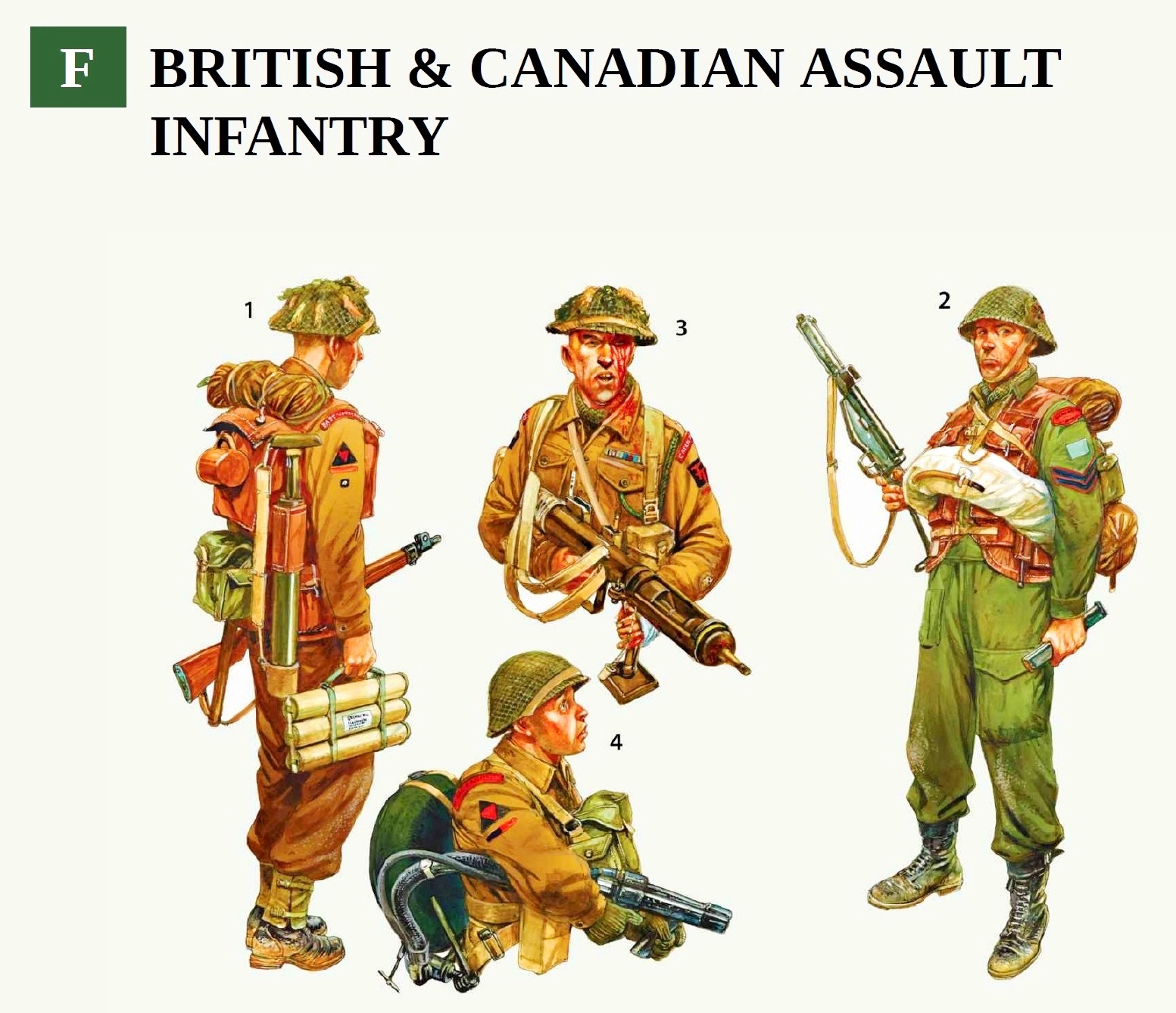
1: Private, 2nd Battalion East Yorkshire Regiment, 8 Infantry Brigade,
3rd (British) Infantry Division; Sword Beach/Queen Red
The 2nd East Yorks wore on both sleeves their regimental title; the 3rd
Div’s patch of a red reversed triangle on a black triangle; the single
infantry-red strip identifying the division’s senior brigade; and – as seen in
several photos – their regiment’s small white-metal-on-black Yorkshire
Rose flash. This mortar “No.1” of a platoon HQ group in either A or B Cos,
the first ashore on Queen Red, has discarded his life belt. He is one of many
in the assault units issued with the canvas battle jerkin, though this was
usually dumped soon afterwards. Other British units definitely known to
have used them on D-Day are 2nd Bn South Lancashire Regt, plus 84 Field
Coy RE in 5th Beach Group, and on Gold Beach the 6th Green Howards,
50th Division. 47 RM Commando were completely equipped with jerkins,
as were part of 48 RM Cdo and some men of most others, including 4 and 6
Cdos; photos show part of 45 RM Cdo also wearing the “skeleton” version.
Both the Mk II and this Mk III helmet are seen mixed in photos of 2nd
East Yorks. The anti-gas cape is rolled and tied above the upper rear pack of
the jerkin. The GS pick is attached by the jerkin’s shoulder cords, its haft
forced down through the armhole to emerge from the left-hand rear
ventilation hole. His 2in mortar is a tight fit in the machete sleeve on the
right rear of the jerkin, and his respirator case is slung low at the back. He
carries his No.4 rifle plus a carrier with six mortar bombs, here illuminating
rounds.
2: Corporal, Regina Rifle Regt, 7 Cdn Inf Bde, 3rd (Canadian) Inf Div;
Juno Beach/Nan Green
The Mk III helmet worn by this section commander, armed with a Sten Mk
III, bears his unit’s crowned Maltese Cross badge painted in green outlined
with red, as occasionally seen in the field. The Canadian 1939 battledress,
of a more “bronze-green” shade than British khaki, displays a typically
conspicuous regimental title (“REGINA RIFLE REGIMENT/ CANADA”
in green on a scarlet patch), and below the 3rd Div’s rectangular patch his
rank chevrons are also in regimental colors. Canadian NCOs were ordered
to wear a gas-detection brassard. The 1943 high, buckle-flap boots were
particular to 3rd Div troops in Normandy. At least parts of all the 7 Cdn
Bde assault units – Royal Winnipeg Rifles, Reginas and 1st Canadian
Scottish – wore the British battle jerkin on D-Day. Strapped to the rear
vents, below the slung respirator, is a bedroll of blankets inside the
rubberized canvas groundsheet. Awkwardly attached overall is the life belt
issued to British and Canadian assault units. (Militaria Magazine No. 364,
November 2015)
3: Company Sergeant-Major Stanley Hollis, D Co, 6th Bn Green
Howards, 69 Inf Bde, 50th (Brit) Inf Div; Crèpon , inland from
Gold/King Red
The only man awarded the Victoria Cross for his actions on D-Day was a
32-year-old former Merchant Navy officer and Territorial Army volunteer
who was already a much-wounded veteran of Dunkirk, North Africa, and
Sicily. He wears battledress with his regiment’s title and green lanyard, redon-
black “TT” divisional patch, red brigade strip, and WO2’s crown rank
badge on the forearms; his partly visible medal ribbons were the Eighth
Army Africa Star, 1939–43 Star, and 1930 Territorial Efficiency Medal.
Although some of 6th Green Howards wore the battle jerkin on D-Day,
Hollis did not mention it, and he is shown in standard 37 Ptn webbing plus
slung respirator and Sten gun.
Hollis first distinguished himself above King Red beach by taking two
pillboxes in front of the Mont Fleury battery, single-handed with Sten and
grenades. A fragment caused a bloody gash to his face (he had already
burned his left hand badly on the Lewis gun that he fired from the LCA).
After the death of Lt Patrick he commanded 16 Platoon in the clearing of
Crèpon during the afternoon. Under heavy fire, he took up a PIAT and went
forward together with two Bren gunners, but they were unable to silence the
enemy. When his two companions became pinned down, Hollis then went
forward again alone with a Bren gun, deliberately drawing fire and covering
their withdrawal. Wounded (for the fifth time) on July 24, CSM Hollis VC
was evacuated to the UK.
4: Sapper, Assault Demolition Team, 246 Field Company Royal
Engineers; Sword Beach/Queen sector
One of a five-man ADT attached to one of the assault battalions of (British)
8 Bde, he displays the 3rd Div patch between the blue and red RE shoulder
title and arm strip. The “flamethrower, portable, No.2” was not much used
on D-Day; however, Hptm Gundlach, 716. Inf-Div, said that he surrendered
his bunker near Ouistreham after attack by British flamethrowers. One per
company HQ were also issued to Canadian infantry battalions (or at least
those of 8 Cdn Bde) shortly before the landings; weighing 64lbs and
inherently dangerous to the user, they were unpopular. The “ack pack”
harness incorporated a metal bar support frame, a webbing waist belt and
shoulder braces, and a basic pouch for accessories; a pistol holster could be
attached on the left side. The “Lifebuoy” 4gal fuel tank enclosed a domed
central tank of pressurized nitrogen propellant, with fuel and propellant
lines to a two-grip projector, and a valve control at lower right. The 1944
No.2 model had electric battery ignition, with the capacity for ten onesecond
bursts out to 120ft range.
An ADT consisted of an NCO, two men carrying the halves of a 75lb
“beehive” demolition charge on packboards, one carrying a 40lb charge,
and one with a flamethrower; their task was not so much to destroy
pillboxes as to kill the occupants. The remainder of this RE company was
scheduled to land before the follow-up companies of the assault battalions,
bringing the sappers attached to each battalion up to four ADTs plus three
three-man Mine Clearance Teams (MCTs).
3rd (British) Infantry Division; Sword Beach/Queen Red
The 2nd East Yorks wore on both sleeves their regimental title; the 3rd
Div’s patch of a red reversed triangle on a black triangle; the single
infantry-red strip identifying the division’s senior brigade; and – as seen in
several photos – their regiment’s small white-metal-on-black Yorkshire
Rose flash. This mortar “No.1” of a platoon HQ group in either A or B Cos,
the first ashore on Queen Red, has discarded his life belt. He is one of many
in the assault units issued with the canvas battle jerkin, though this was
usually dumped soon afterwards. Other British units definitely known to
have used them on D-Day are 2nd Bn South Lancashire Regt, plus 84 Field
Coy RE in 5th Beach Group, and on Gold Beach the 6th Green Howards,
50th Division. 47 RM Commando were completely equipped with jerkins,
as were part of 48 RM Cdo and some men of most others, including 4 and 6
Cdos; photos show part of 45 RM Cdo also wearing the “skeleton” version.
Both the Mk II and this Mk III helmet are seen mixed in photos of 2nd
East Yorks. The anti-gas cape is rolled and tied above the upper rear pack of
the jerkin. The GS pick is attached by the jerkin’s shoulder cords, its haft
forced down through the armhole to emerge from the left-hand rear
ventilation hole. His 2in mortar is a tight fit in the machete sleeve on the
right rear of the jerkin, and his respirator case is slung low at the back. He
carries his No.4 rifle plus a carrier with six mortar bombs, here illuminating
rounds.
2: Corporal, Regina Rifle Regt, 7 Cdn Inf Bde, 3rd (Canadian) Inf Div;
Juno Beach/Nan Green
The Mk III helmet worn by this section commander, armed with a Sten Mk
III, bears his unit’s crowned Maltese Cross badge painted in green outlined
with red, as occasionally seen in the field. The Canadian 1939 battledress,
of a more “bronze-green” shade than British khaki, displays a typically
conspicuous regimental title (“REGINA RIFLE REGIMENT/ CANADA”
in green on a scarlet patch), and below the 3rd Div’s rectangular patch his
rank chevrons are also in regimental colors. Canadian NCOs were ordered
to wear a gas-detection brassard. The 1943 high, buckle-flap boots were
particular to 3rd Div troops in Normandy. At least parts of all the 7 Cdn
Bde assault units – Royal Winnipeg Rifles, Reginas and 1st Canadian
Scottish – wore the British battle jerkin on D-Day. Strapped to the rear
vents, below the slung respirator, is a bedroll of blankets inside the
rubberized canvas groundsheet. Awkwardly attached overall is the life belt
issued to British and Canadian assault units. (Militaria Magazine No. 364,
November 2015)
3: Company Sergeant-Major Stanley Hollis, D Co, 6th Bn Green
Howards, 69 Inf Bde, 50th (Brit) Inf Div; Crèpon , inland from
Gold/King Red
The only man awarded the Victoria Cross for his actions on D-Day was a
32-year-old former Merchant Navy officer and Territorial Army volunteer
who was already a much-wounded veteran of Dunkirk, North Africa, and
Sicily. He wears battledress with his regiment’s title and green lanyard, redon-
black “TT” divisional patch, red brigade strip, and WO2’s crown rank
badge on the forearms; his partly visible medal ribbons were the Eighth
Army Africa Star, 1939–43 Star, and 1930 Territorial Efficiency Medal.
Although some of 6th Green Howards wore the battle jerkin on D-Day,
Hollis did not mention it, and he is shown in standard 37 Ptn webbing plus
slung respirator and Sten gun.
Hollis first distinguished himself above King Red beach by taking two
pillboxes in front of the Mont Fleury battery, single-handed with Sten and
grenades. A fragment caused a bloody gash to his face (he had already
burned his left hand badly on the Lewis gun that he fired from the LCA).
After the death of Lt Patrick he commanded 16 Platoon in the clearing of
Crèpon during the afternoon. Under heavy fire, he took up a PIAT and went
forward together with two Bren gunners, but they were unable to silence the
enemy. When his two companions became pinned down, Hollis then went
forward again alone with a Bren gun, deliberately drawing fire and covering
their withdrawal. Wounded (for the fifth time) on July 24, CSM Hollis VC
was evacuated to the UK.
4: Sapper, Assault Demolition Team, 246 Field Company Royal
Engineers; Sword Beach/Queen sector
One of a five-man ADT attached to one of the assault battalions of (British)
8 Bde, he displays the 3rd Div patch between the blue and red RE shoulder
title and arm strip. The “flamethrower, portable, No.2” was not much used
on D-Day; however, Hptm Gundlach, 716. Inf-Div, said that he surrendered
his bunker near Ouistreham after attack by British flamethrowers. One per
company HQ were also issued to Canadian infantry battalions (or at least
those of 8 Cdn Bde) shortly before the landings; weighing 64lbs and
inherently dangerous to the user, they were unpopular. The “ack pack”
harness incorporated a metal bar support frame, a webbing waist belt and
shoulder braces, and a basic pouch for accessories; a pistol holster could be
attached on the left side. The “Lifebuoy” 4gal fuel tank enclosed a domed
central tank of pressurized nitrogen propellant, with fuel and propellant
lines to a two-grip projector, and a valve control at lower right. The 1944
No.2 model had electric battery ignition, with the capacity for ten onesecond
bursts out to 120ft range.
An ADT consisted of an NCO, two men carrying the halves of a 75lb
“beehive” demolition charge on packboards, one carrying a 40lb charge,
and one with a flamethrower; their task was not so much to destroy
pillboxes as to kill the occupants. The remainder of this RE company was
scheduled to land before the follow-up companies of the assault battalions,
bringing the sappers attached to each battalion up to four ADTs plus three
three-man Mine Clearance Teams (MCTs).
G (Раскрыть)
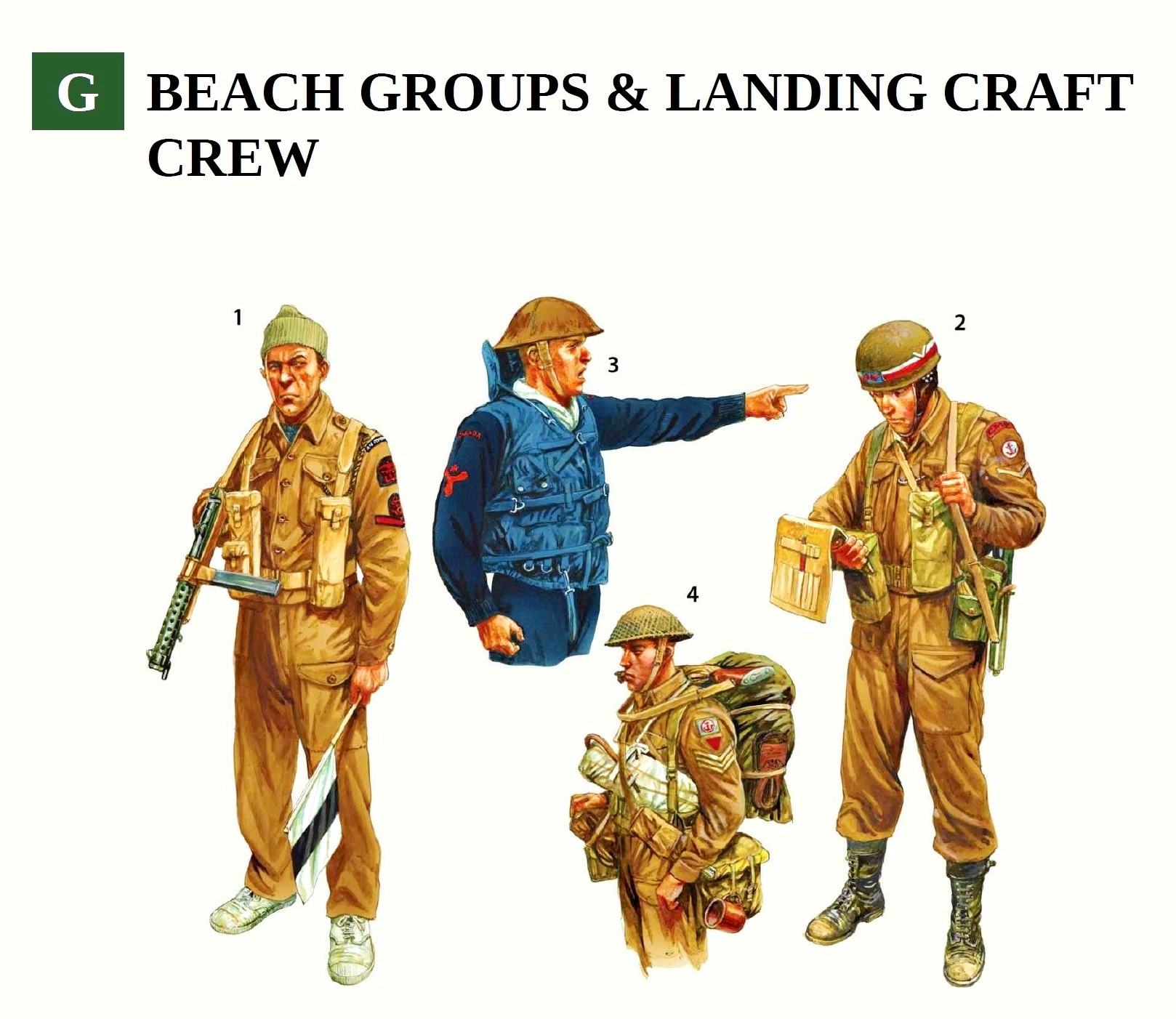
Beach Group advance parties began landing on the British and Canadian
beaches at H-Hour, followed by the remainder; their tasks were to organize
men and equipment for crossing the beach, under the direction of an RN
Beach Master with an RN Beach Commando. Local defense and labor were
provided by dedicated infantry units, joined as soon as possible by a wide
range of support and service detachments. The first Beach Group elements
ashore, west to east, were:
Gold: “J”, “Q” & “T” RN Beach Commandos; King sector, 2nd Bn
Bedfordshire & Hertfordshire Regt (9th Beach Group); Jig sector, 6th Bn
Royal Border Regt (10th Beach Group).
Juno: “L”, “P” & “S” RN Beach Cdos; Mike sector, 8th Bn The King’s
Regt (7th Beach Group); Nan sector, 5th Bn R. Berkshire Regt (8th Beach
Group). The RCN’s “W” Beach Cdo did not land until D+1, when they took
over from the mauled RN “P” Beach Cdo on Juno.
Sword: “F” & “R” RN Beach Cdos; 5th Bn The King’s Regt (5th Beach
Group).
1: Leading Seaman, “T” Royal Navy Beach Commando; Gold Beach
No longer under direct fire, he has discarded his Mk II helmet for a knit
“cap, comforter.” On Army battledress he wears all insignia on Navy-blue
backing: on both sleeves the white “R.N. COMMANDO” title, and a red
Combined Operations badge on a tombstone-shaped patch; on the left
sleeve his red foul-anchor LS rating badge, and a 3-years’ good conduct
stripe, balanced on the right (obscured here) by his specialty badge – the
crowned crossed flags of chief yeoman of signals. The Beach Commando
Monthly Memoranda between May 1943 and January 1944 listed most of
the unit lanyards, saying in May 1943 that they were worn on the right
shoulder, but photos show them on the left: F = white, H = old gold, J =
black, L = green; N (May ’43) = red, but this later worn by R; P = light
blue, Q = dark blue, R (from Sept ’43) = red; S = maroon, T = gold/black
twist; U = red/blue twist; V = violet.
Each Beach Cdo comprised three numbered parties (e.g. T1, T2 & T3) of
three officers and 25 ratings. The party’s weapons are listed as a stripped
.303in Lewis LMG with tripod mount, three of these Lanchester 9mm
M1928 SMGs, 10x .303in rifles, and 15x .455in revolvers; the web
equipment was RN 1919 or standard 37 Ptn apart from the special pouches
for the Lanchester’s 50-round magazines. This sailor wears RN plimsolls,
though “rope-soled shoes” are mentioned for beach work. (Source:
www.relaysystem.co.uk/KSBBCMM)
2: Lance-corporal, 241 HQ Provost Company, Corps of Military Police,
5th Beach Group; Hermanville
Traffic control off and behind the beaches was a vital task, and CMP
companies began landing with other Beach Group personnel from about
H+30, operating on foot until their motorbikes arrived. His motorcyclist’s
helmet bears the MPs’ ¾in red stripe below a narrower white Beach Group
stripe, both broken at the front by a red “MP” on blue; the white stripe is
also broken by a white rank chevron on the left side. His BD is worn with
black three-buckle motorcyclist’s boots. His sleeve insignia are the dark
blue-on-red “C.M.P.” title, above the red anchor on a red-edged white disc
common to all Beach Group units, and his rank chevron. His 37 Ptn web
equipment shows mismatched pouches – the Mk I on his right sits lower on
the belt than the Mk II on his left. Photos of British MPs serving with 7th
Beach Group on Juno show them additionally wearing the red-on-dark blue
“MP” right-arm brassard that is absent here, and with the Beach Group disc
superimposed on 3rd Cdn Div’s patch, as in figure G4.
3: Landing craft coxswain, 528 LCA Flotilla, Royal Canadian Navy;
HMCS Prince Henry, Juno Beach
The RCN’s 528 Flotilla had seven landing craft, of which the LCAs with
pennant numbers 850, 925, and 1021 were commanded by RCN Volunteer
Reserve leading seamen, 1321 by an able seaman, 1033 by a sub-lieutenant,
and 736 & 1372 by lieutenants. This leading seaman coxswain wears the
badge of a leading stoker on the right sleeve of his blue jumper, and
“CANADA” shoulder titles. His helmet is shrouded with the Army anti-gas
cover, here with the neck-curtain cut off. His spray-scarf is a towel tucked
into the neck of his Canadian-designed life vest; its “head-up” kapokpadded
collar was awkward when a helmet was worn, and sailors often cut
its supporting strings. Across the back of the shoulders the vest bore large
white stenciling “R.C.N.” above a serial number (e.g. “A6845,” “A7583,”
“L5282,” etc.), and sometimes the individual’s name. (Militaria Magazine
No. 277, August 2008)
4: Sergeant, 5th Bn Royal Berkshire Regt, 8th Beach Group; Juno
Beach
This typical “badly wrapped parcel” is from a group photographed
embarking on landing craft aboard HMCS Prince Henry. Oddly, all of them
show the white Beach Group helmet-stripe recently painted out. The life
belt is worn under web equipment, which incorporates double cartridgecarriers
rather than basic pouches. The haversack attached at the left side
shows the usual tea mug, and an air/ground recognition panel. A large
bedroll made with a late-pattern groundsheet is strapped and tied around the
“large pack” on his back, with a pair of brown plimsolls tied to it, and his
rifle, with breech cover, balanced overall. He also has his respirator, rolled
anti-gas cape, and a bandoleer slung around him as best he can with straps
and tapes. He wears no regimental shoulder title; the insignia are the Beach
Group disc superimposed on 3rd Cdn Div’s patch, above what seems to be
the Berkshires’ traditional red “Brandywine” flash.
When their immediate task was completed Beach Group infantry
battalions were not withdrawn; the 5th Berkshires stayed in the line in
Normandy until August, being reduced to just 152 all ranks.
beaches at H-Hour, followed by the remainder; their tasks were to organize
men and equipment for crossing the beach, under the direction of an RN
Beach Master with an RN Beach Commando. Local defense and labor were
provided by dedicated infantry units, joined as soon as possible by a wide
range of support and service detachments. The first Beach Group elements
ashore, west to east, were:
Gold: “J”, “Q” & “T” RN Beach Commandos; King sector, 2nd Bn
Bedfordshire & Hertfordshire Regt (9th Beach Group); Jig sector, 6th Bn
Royal Border Regt (10th Beach Group).
Juno: “L”, “P” & “S” RN Beach Cdos; Mike sector, 8th Bn The King’s
Regt (7th Beach Group); Nan sector, 5th Bn R. Berkshire Regt (8th Beach
Group). The RCN’s “W” Beach Cdo did not land until D+1, when they took
over from the mauled RN “P” Beach Cdo on Juno.
Sword: “F” & “R” RN Beach Cdos; 5th Bn The King’s Regt (5th Beach
Group).
1: Leading Seaman, “T” Royal Navy Beach Commando; Gold Beach
No longer under direct fire, he has discarded his Mk II helmet for a knit
“cap, comforter.” On Army battledress he wears all insignia on Navy-blue
backing: on both sleeves the white “R.N. COMMANDO” title, and a red
Combined Operations badge on a tombstone-shaped patch; on the left
sleeve his red foul-anchor LS rating badge, and a 3-years’ good conduct
stripe, balanced on the right (obscured here) by his specialty badge – the
crowned crossed flags of chief yeoman of signals. The Beach Commando
Monthly Memoranda between May 1943 and January 1944 listed most of
the unit lanyards, saying in May 1943 that they were worn on the right
shoulder, but photos show them on the left: F = white, H = old gold, J =
black, L = green; N (May ’43) = red, but this later worn by R; P = light
blue, Q = dark blue, R (from Sept ’43) = red; S = maroon, T = gold/black
twist; U = red/blue twist; V = violet.
Each Beach Cdo comprised three numbered parties (e.g. T1, T2 & T3) of
three officers and 25 ratings. The party’s weapons are listed as a stripped
.303in Lewis LMG with tripod mount, three of these Lanchester 9mm
M1928 SMGs, 10x .303in rifles, and 15x .455in revolvers; the web
equipment was RN 1919 or standard 37 Ptn apart from the special pouches
for the Lanchester’s 50-round magazines. This sailor wears RN plimsolls,
though “rope-soled shoes” are mentioned for beach work. (Source:
www.relaysystem.co.uk/KSBBCMM)
2: Lance-corporal, 241 HQ Provost Company, Corps of Military Police,
5th Beach Group; Hermanville
Traffic control off and behind the beaches was a vital task, and CMP
companies began landing with other Beach Group personnel from about
H+30, operating on foot until their motorbikes arrived. His motorcyclist’s
helmet bears the MPs’ ¾in red stripe below a narrower white Beach Group
stripe, both broken at the front by a red “MP” on blue; the white stripe is
also broken by a white rank chevron on the left side. His BD is worn with
black three-buckle motorcyclist’s boots. His sleeve insignia are the dark
blue-on-red “C.M.P.” title, above the red anchor on a red-edged white disc
common to all Beach Group units, and his rank chevron. His 37 Ptn web
equipment shows mismatched pouches – the Mk I on his right sits lower on
the belt than the Mk II on his left. Photos of British MPs serving with 7th
Beach Group on Juno show them additionally wearing the red-on-dark blue
“MP” right-arm brassard that is absent here, and with the Beach Group disc
superimposed on 3rd Cdn Div’s patch, as in figure G4.
3: Landing craft coxswain, 528 LCA Flotilla, Royal Canadian Navy;
HMCS Prince Henry, Juno Beach
The RCN’s 528 Flotilla had seven landing craft, of which the LCAs with
pennant numbers 850, 925, and 1021 were commanded by RCN Volunteer
Reserve leading seamen, 1321 by an able seaman, 1033 by a sub-lieutenant,
and 736 & 1372 by lieutenants. This leading seaman coxswain wears the
badge of a leading stoker on the right sleeve of his blue jumper, and
“CANADA” shoulder titles. His helmet is shrouded with the Army anti-gas
cover, here with the neck-curtain cut off. His spray-scarf is a towel tucked
into the neck of his Canadian-designed life vest; its “head-up” kapokpadded
collar was awkward when a helmet was worn, and sailors often cut
its supporting strings. Across the back of the shoulders the vest bore large
white stenciling “R.C.N.” above a serial number (e.g. “A6845,” “A7583,”
“L5282,” etc.), and sometimes the individual’s name. (Militaria Magazine
No. 277, August 2008)
4: Sergeant, 5th Bn Royal Berkshire Regt, 8th Beach Group; Juno
Beach
This typical “badly wrapped parcel” is from a group photographed
embarking on landing craft aboard HMCS Prince Henry. Oddly, all of them
show the white Beach Group helmet-stripe recently painted out. The life
belt is worn under web equipment, which incorporates double cartridgecarriers
rather than basic pouches. The haversack attached at the left side
shows the usual tea mug, and an air/ground recognition panel. A large
bedroll made with a late-pattern groundsheet is strapped and tied around the
“large pack” on his back, with a pair of brown plimsolls tied to it, and his
rifle, with breech cover, balanced overall. He also has his respirator, rolled
anti-gas cape, and a bandoleer slung around him as best he can with straps
and tapes. He wears no regimental shoulder title; the insignia are the Beach
Group disc superimposed on 3rd Cdn Div’s patch, above what seems to be
the Berkshires’ traditional red “Brandywine” flash.
When their immediate task was completed Beach Group infantry
battalions were not withdrawn; the 5th Berkshires stayed in the line in
Normandy until August, being reduced to just 152 all ranks.
H (Раскрыть)
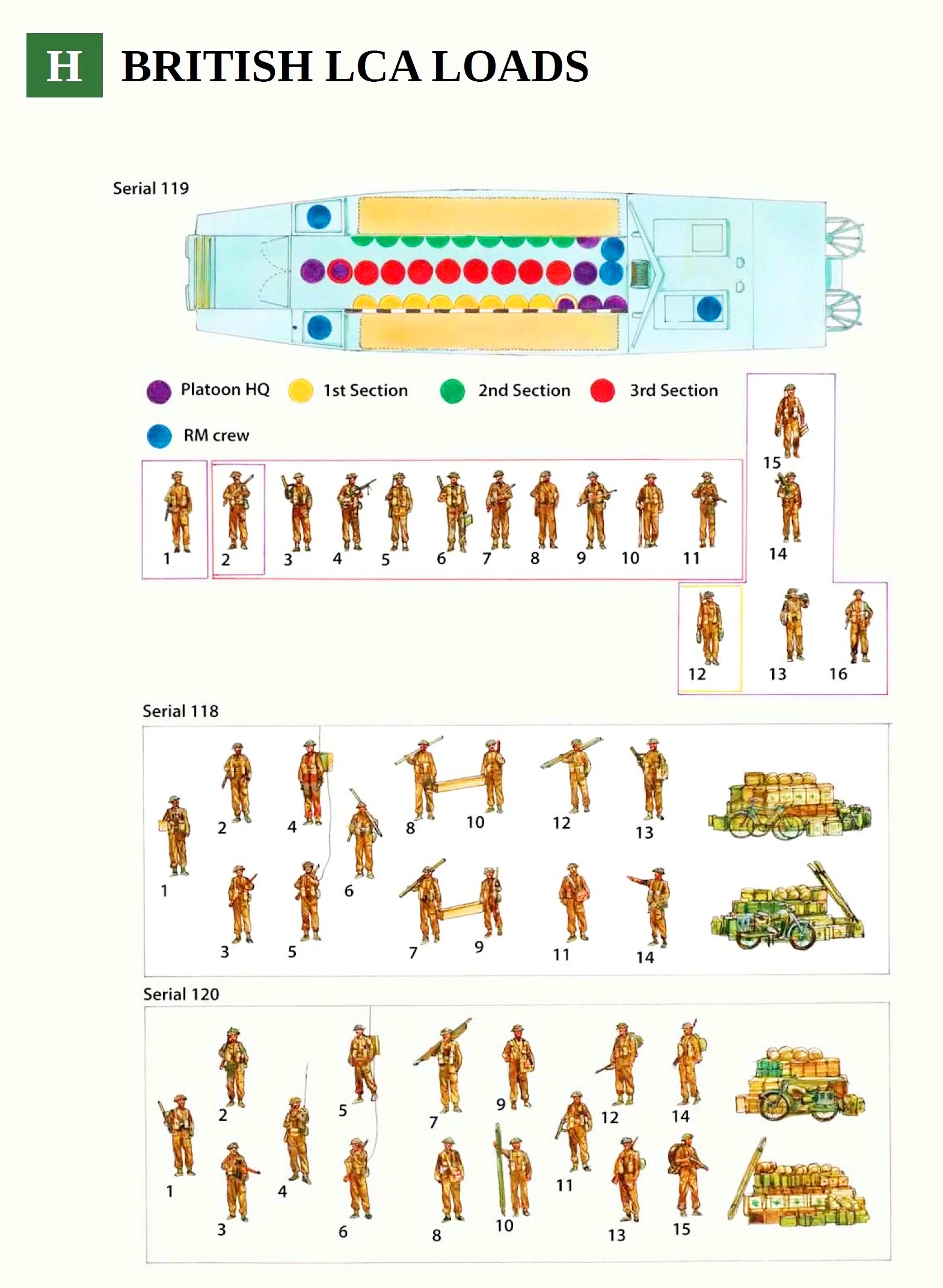
535 or 543 Flotilla, HMS Glenearn, carrying A Co, 1st Bn South
Lancashire Regt to Sword/Queen White
Unlike the LCVP, the Landing Craft Assault had a steel hull, and partial
overhead armor and armored doors inside the ramp gave some protection. It
could not carry a vehicle or artillery piece owing to the fixed lengthways
bench seats, and the narrow ramp made it slow to unload bulky items.
Behind the armored doors on the left was a partly enclosed crew station for
an LMG, and on the right another, with an overhead armor hatch, housing
the coxswain’s controls. The four-man RN (or very often, Royal Marines)
crew were: a port bowman (forward davit hooks, doors, ramp, and the
LMG); a coxswain (at the helm, starboard bow station) connected by a
voice tube to a stoker/mechanic (stern, engine controls); and a
sternsheetsman (stern davits, and signaling). One junior officer commanded
every five LCAs, though RCN flotillas might have more officers.
The LCA’s official capacity was 35 troops – two fewer than a platoon
plus its habitual attachment (three sections of ten, plus platoon commander
and his runner, platoon sergeant, two-man 2in mortar crew, plus two-man
PIAT crew attached from company HQ). When embarking, the 1st Section
took the seat closest to the ship’s side, 2nd Sect the furthest, and 3rd Sect
the central seat. On D-Day, the five A Co “serials” (NB, these identified the
boat parties, not the LCAs’ pennant numbers) for Queen/White had at most
33 men (serials 119 and 121), and serial 117 had only 30 plus four advance
personnel from the Beach Group. Serials 118 and 120 consisted of
personnel from A Co HQ and an attached Assault Demolition Team (see
Plate F4), plus half-loads of stores. The excluded riflemen presumably
joined the company’s “left out of battle” replacement pool.
Serial 119
See color key, assuming this is a starboard-side craft from the landing ship.
This is our guess at a plausible reduced platoon of 33: a rifleman from 3rd
Sect serves as the officer’s runner, and the rearmost rifleman of 1st Sect has
been grabbed by the platoon sergeant to serve as ammunition carrier for the
2in mortar.
Number key, HQ & 3rd Section, from bow to stern: 1 = platoon
commander; 2 = runner (from 3rd Sect); 3 = corporal sect cmdr; 4 & 5 =
Bren Nos. 1 & 2; 6 = lance-cpl Bren group leader; 7–11 = riflemen. HQ
group: 12 = mortar No. 2 (from 1st Sect); 13 = mtr No. 1; 14 & 15 = PIAT
Nos. 1 & 2, from A Co HQ; 16 = platoon sergeant.
Serial 118
This carried a half-load of stores and spare equipment, plus 14 men from A
Co HQ.
Key: 1 = company cmdr; 2 & 3 = runners; 4 & 5 = signalers w. No. 18
set; 6–10 = pioneers w. bangalores; 11 & 12 = litter- (stretcher-) bearers; 13
= intel NCO; 14 = regimental police NCO.
Serial 120
This also carried stores, plus ten men from A Co HQ, and a five-man ADT
from 246 Fld Co RE.
Key: 1 = CSM; 2 = runner; 3 = sniper; 4 = signaler w. No. 46 set; 5 & 6 =
sigs w. No. 18 set; 7–10 = litter-bearers. Plus: 11 = ADT NCO; 12 & 13 =
75lb charge; 14 = 40lb charge; 15 = flamethrower. (Source:
http://ww2talk.com/f...764-sword-beach)
Assault units were divided between different landing ships – e.g., at
Sword/Queen White, A & C Cos of the 1st South Lancs were aboard the
LSI(L) Glenearn; the follow-up D Co and battalion HQ were on Empire
Battleaxe , and the follow-up B Co on Empire Cutlass (which had already
launched the first-wave A & B Cos, 2nd East Yorks for Queen Red).
LCA flotilla strengths varied; e.g., RM 535 & 543 Flotillas allocated to
Glenearn had respectively ten and 11 (two of the latter being assigned to
special duties). For the “first flight” at 06:00hrs, six craft were lowered on
both port and starboard sides, and for the “second flight” at 06:30, four each
side. Only one of these LCAs was lost in action, but many flotillas suffered
much worse; for instance, collectively the landing ships Prince Henry,
Prince David, Princess Astrid, Princess Charlotte and Victoria lost 29 out
of their 38 LCAs.
Lancashire Regt to Sword/Queen White
Unlike the LCVP, the Landing Craft Assault had a steel hull, and partial
overhead armor and armored doors inside the ramp gave some protection. It
could not carry a vehicle or artillery piece owing to the fixed lengthways
bench seats, and the narrow ramp made it slow to unload bulky items.
Behind the armored doors on the left was a partly enclosed crew station for
an LMG, and on the right another, with an overhead armor hatch, housing
the coxswain’s controls. The four-man RN (or very often, Royal Marines)
crew were: a port bowman (forward davit hooks, doors, ramp, and the
LMG); a coxswain (at the helm, starboard bow station) connected by a
voice tube to a stoker/mechanic (stern, engine controls); and a
sternsheetsman (stern davits, and signaling). One junior officer commanded
every five LCAs, though RCN flotillas might have more officers.
The LCA’s official capacity was 35 troops – two fewer than a platoon
plus its habitual attachment (three sections of ten, plus platoon commander
and his runner, platoon sergeant, two-man 2in mortar crew, plus two-man
PIAT crew attached from company HQ). When embarking, the 1st Section
took the seat closest to the ship’s side, 2nd Sect the furthest, and 3rd Sect
the central seat. On D-Day, the five A Co “serials” (NB, these identified the
boat parties, not the LCAs’ pennant numbers) for Queen/White had at most
33 men (serials 119 and 121), and serial 117 had only 30 plus four advance
personnel from the Beach Group. Serials 118 and 120 consisted of
personnel from A Co HQ and an attached Assault Demolition Team (see
Plate F4), plus half-loads of stores. The excluded riflemen presumably
joined the company’s “left out of battle” replacement pool.
Serial 119
See color key, assuming this is a starboard-side craft from the landing ship.
This is our guess at a plausible reduced platoon of 33: a rifleman from 3rd
Sect serves as the officer’s runner, and the rearmost rifleman of 1st Sect has
been grabbed by the platoon sergeant to serve as ammunition carrier for the
2in mortar.
Number key, HQ & 3rd Section, from bow to stern: 1 = platoon
commander; 2 = runner (from 3rd Sect); 3 = corporal sect cmdr; 4 & 5 =
Bren Nos. 1 & 2; 6 = lance-cpl Bren group leader; 7–11 = riflemen. HQ
group: 12 = mortar No. 2 (from 1st Sect); 13 = mtr No. 1; 14 & 15 = PIAT
Nos. 1 & 2, from A Co HQ; 16 = platoon sergeant.
Serial 118
This carried a half-load of stores and spare equipment, plus 14 men from A
Co HQ.
Key: 1 = company cmdr; 2 & 3 = runners; 4 & 5 = signalers w. No. 18
set; 6–10 = pioneers w. bangalores; 11 & 12 = litter- (stretcher-) bearers; 13
= intel NCO; 14 = regimental police NCO.
Serial 120
This also carried stores, plus ten men from A Co HQ, and a five-man ADT
from 246 Fld Co RE.
Key: 1 = CSM; 2 = runner; 3 = sniper; 4 = signaler w. No. 46 set; 5 & 6 =
sigs w. No. 18 set; 7–10 = litter-bearers. Plus: 11 = ADT NCO; 12 & 13 =
75lb charge; 14 = 40lb charge; 15 = flamethrower. (Source:
http://ww2talk.com/f...764-sword-beach)
Assault units were divided between different landing ships – e.g., at
Sword/Queen White, A & C Cos of the 1st South Lancs were aboard the
LSI(L) Glenearn; the follow-up D Co and battalion HQ were on Empire
Battleaxe , and the follow-up B Co on Empire Cutlass (which had already
launched the first-wave A & B Cos, 2nd East Yorks for Queen Red).
LCA flotilla strengths varied; e.g., RM 535 & 543 Flotillas allocated to
Glenearn had respectively ten and 11 (two of the latter being assigned to
special duties). For the “first flight” at 06:00hrs, six craft were lowered on
both port and starboard sides, and for the “second flight” at 06:30, four each
side. Only one of these LCAs was lost in action, but many flotillas suffered
much worse; for instance, collectively the landing ships Prince Henry,
Prince David, Princess Astrid, Princess Charlotte and Victoria lost 29 out
of their 38 LCAs.
И ещё амеры и британцы по теме высадки в Нормандии:
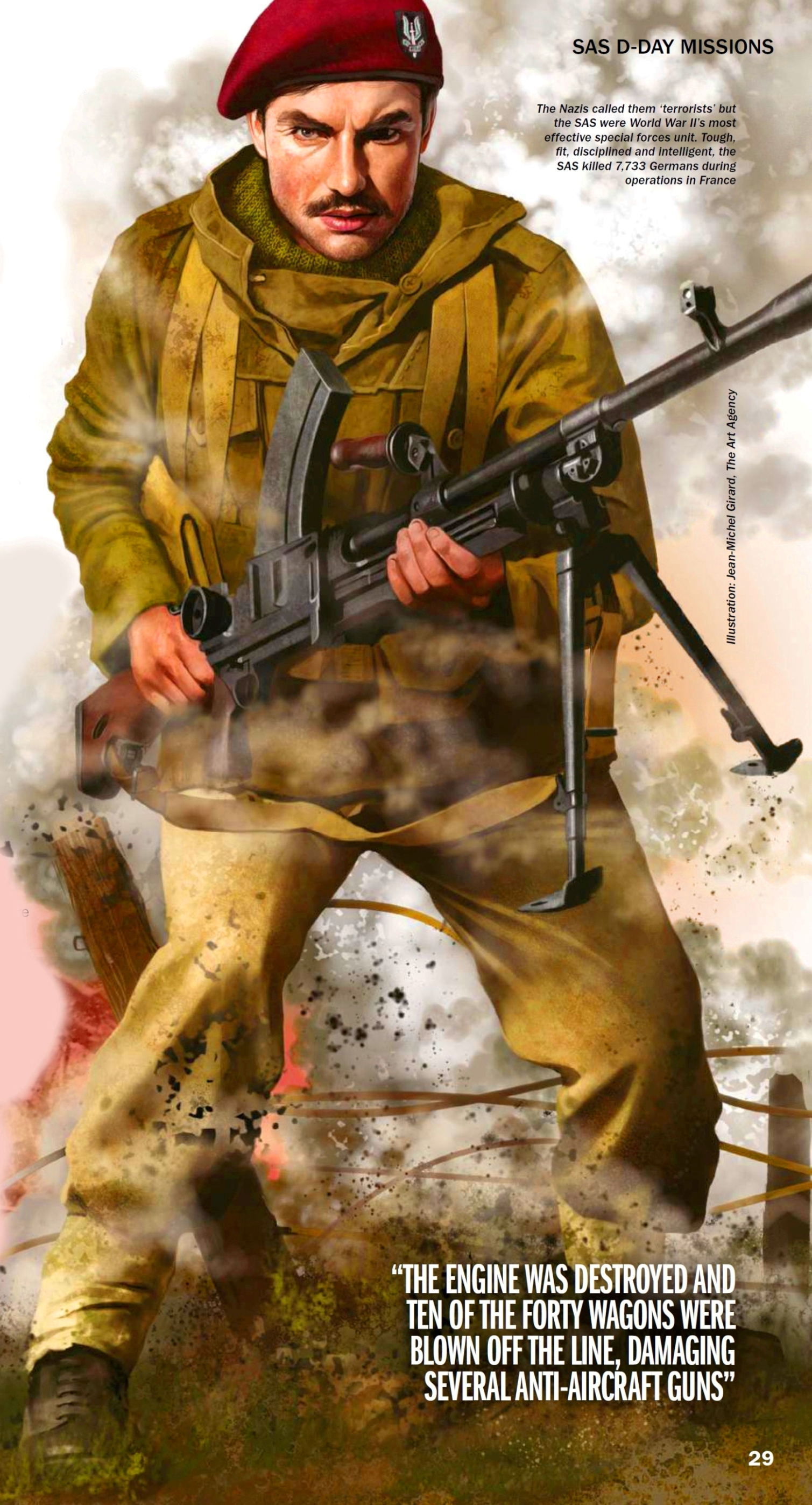
Спойлер (раскрыть)
1. Jean Michel Girard. Боец Special Air Service в Нормандии, День Д.
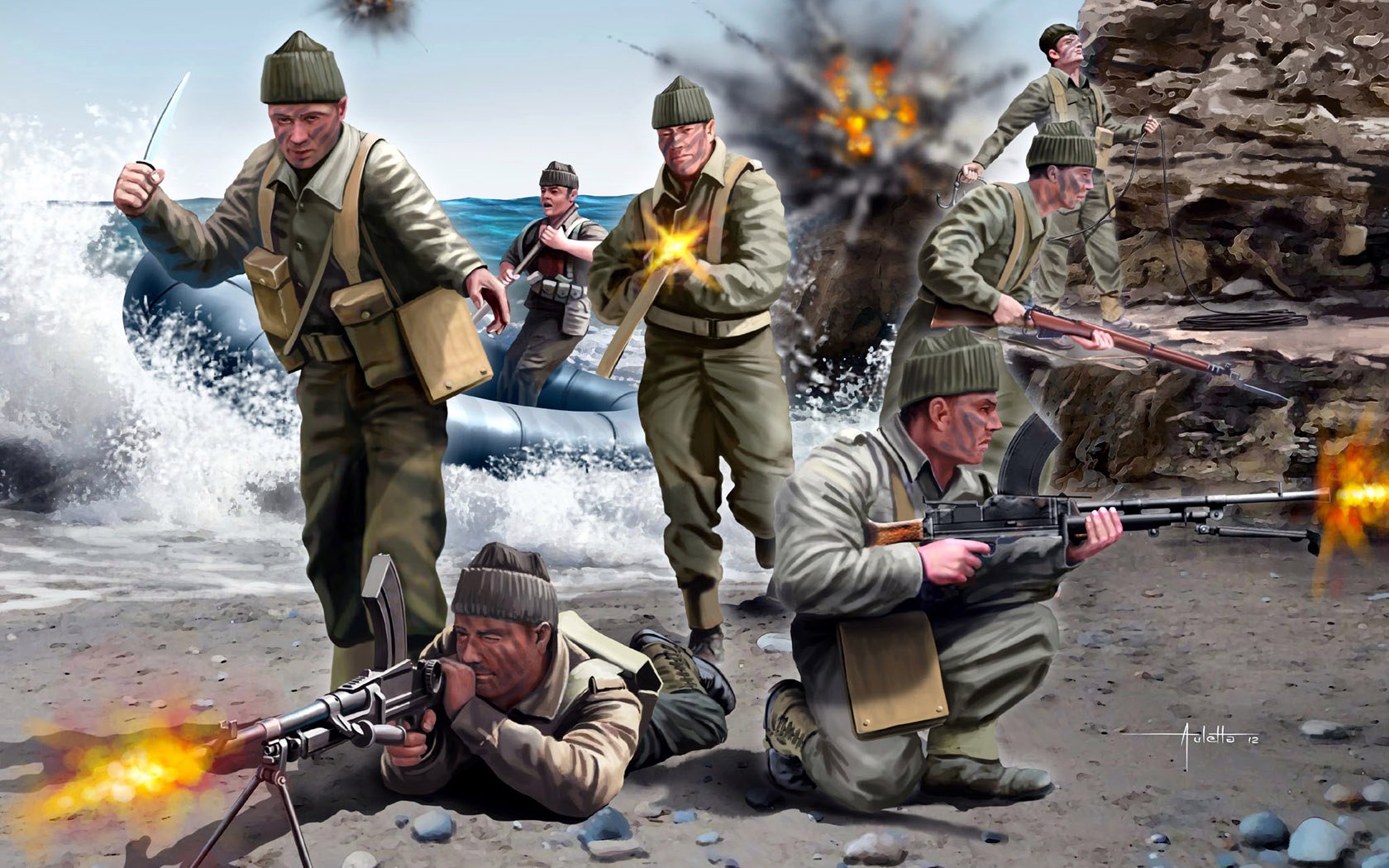
2. Британские коммандос в Нормандии.
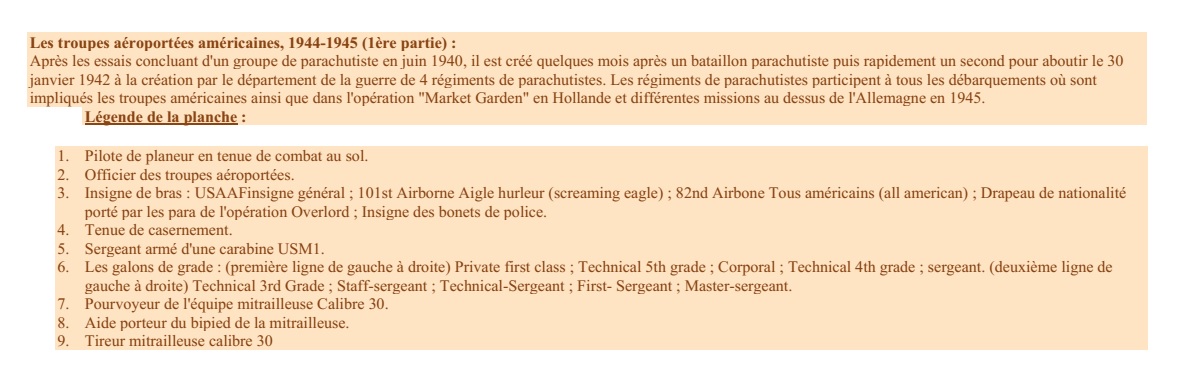
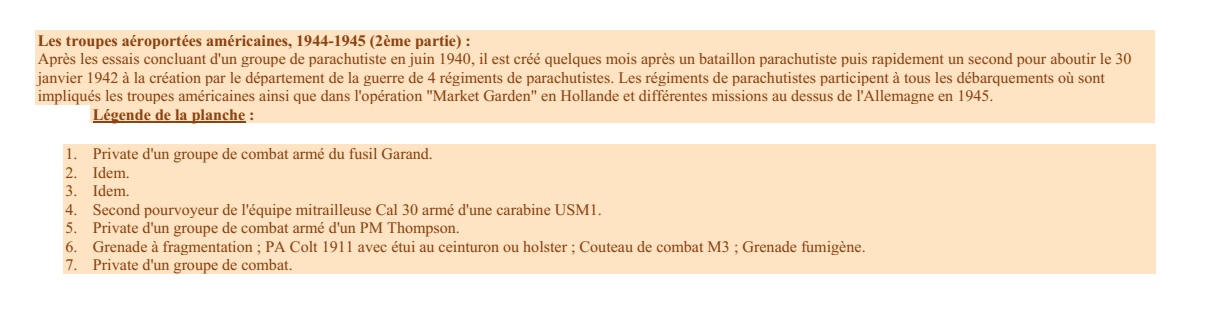
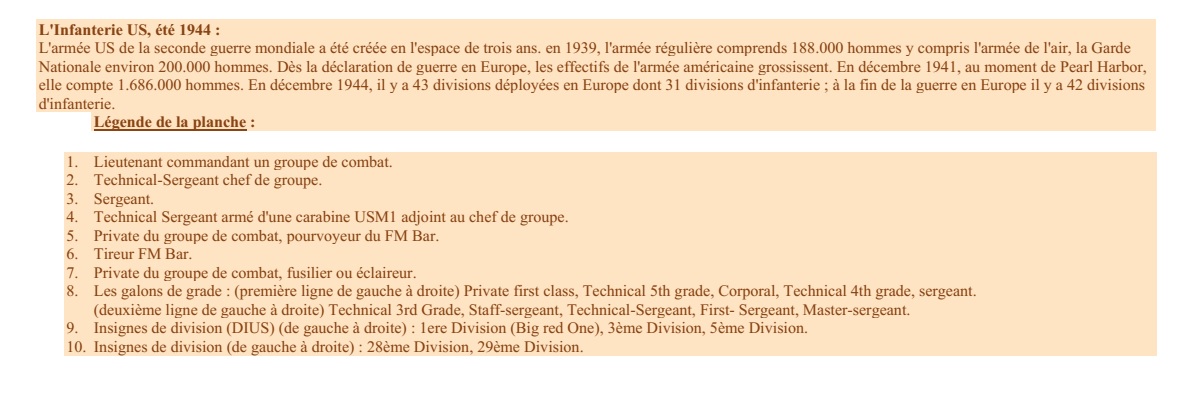
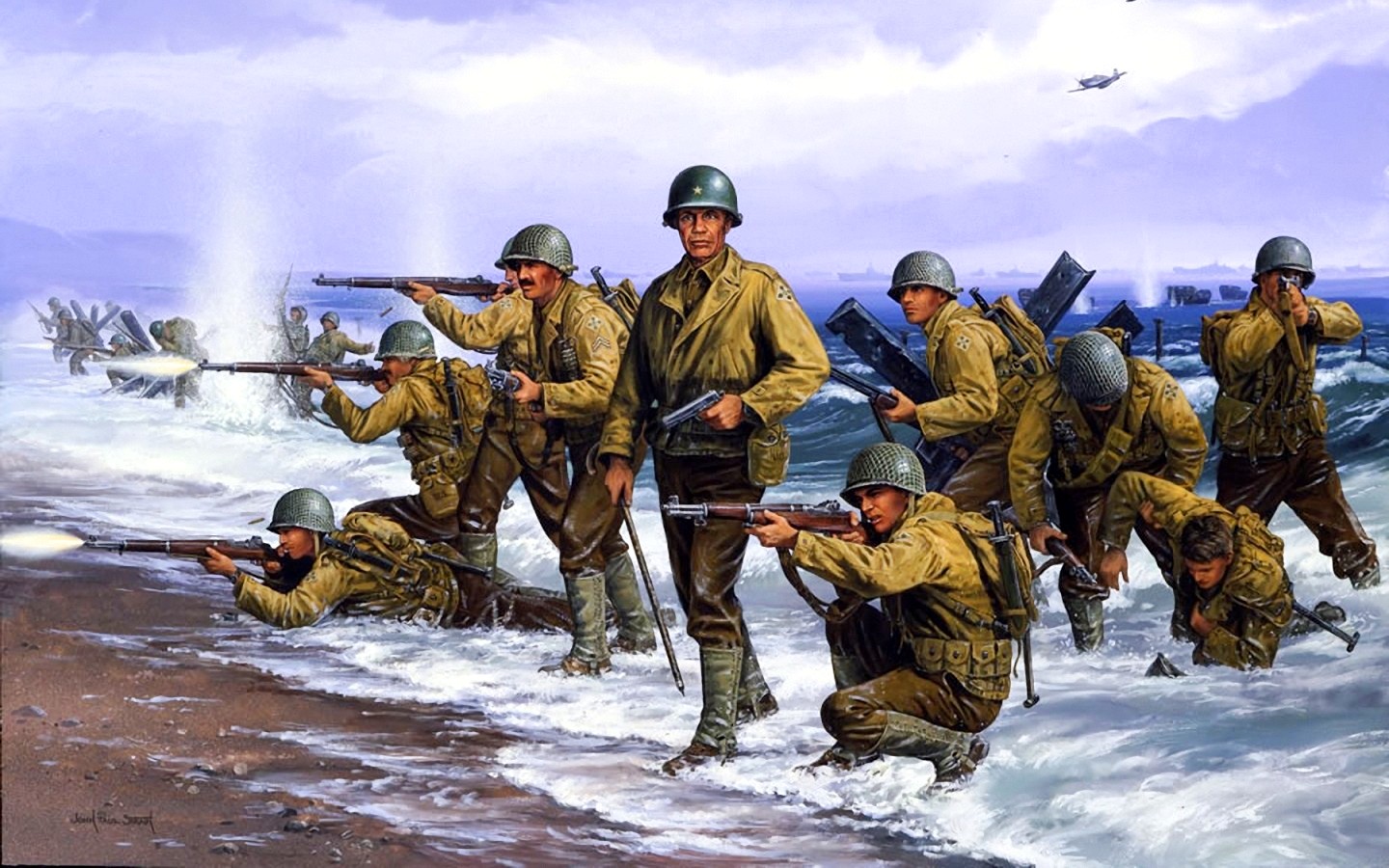
3. Американцы в Нормандии.
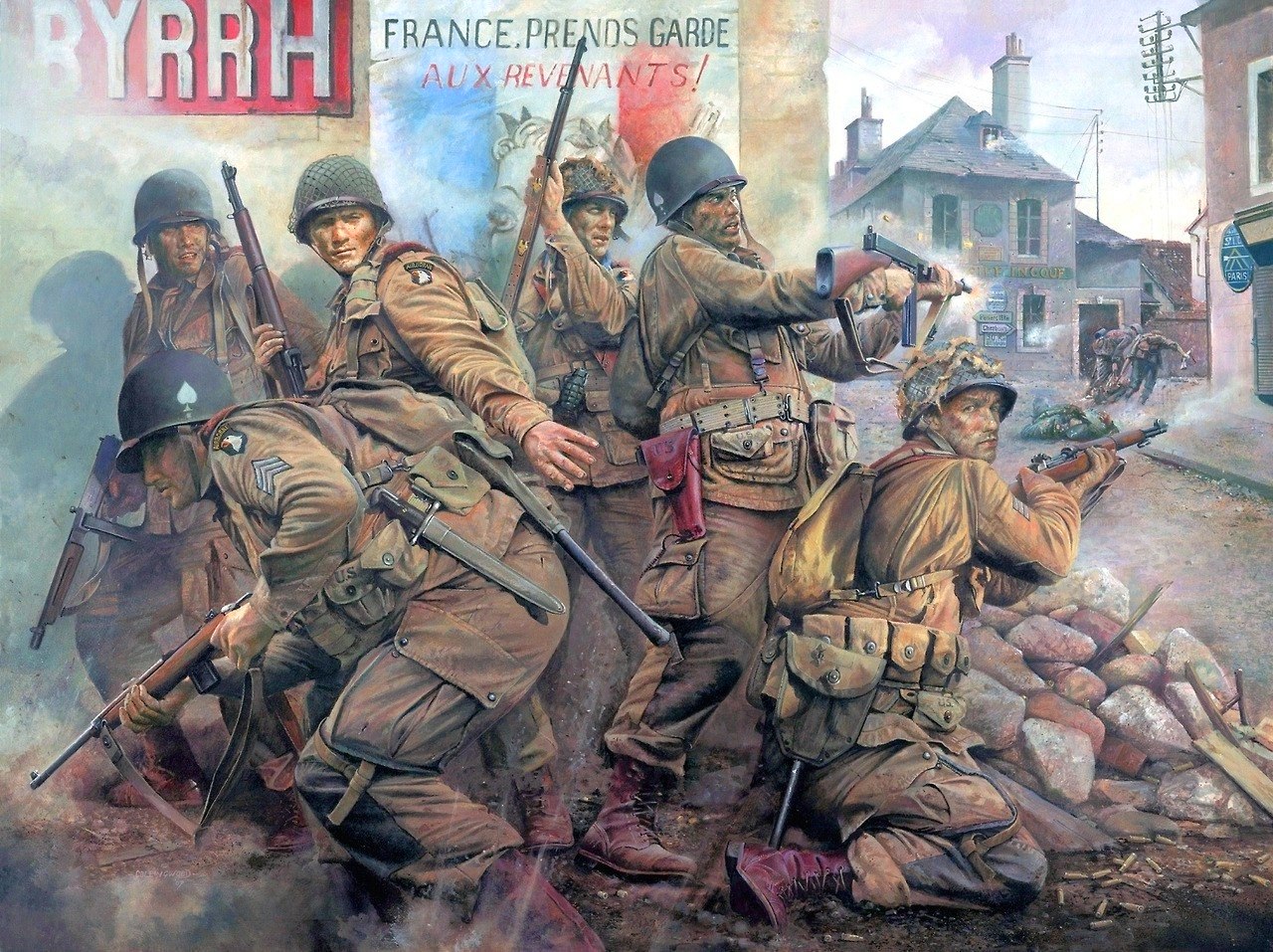
4. Masami Onishi. 101-я парашютно-десантная дивизия США в Нормандии, 1944 год.
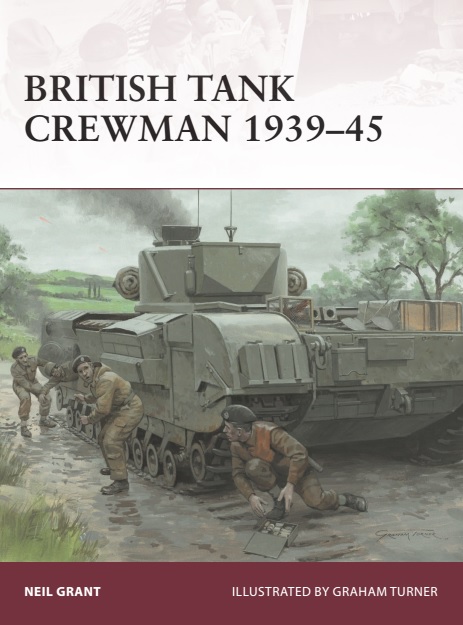
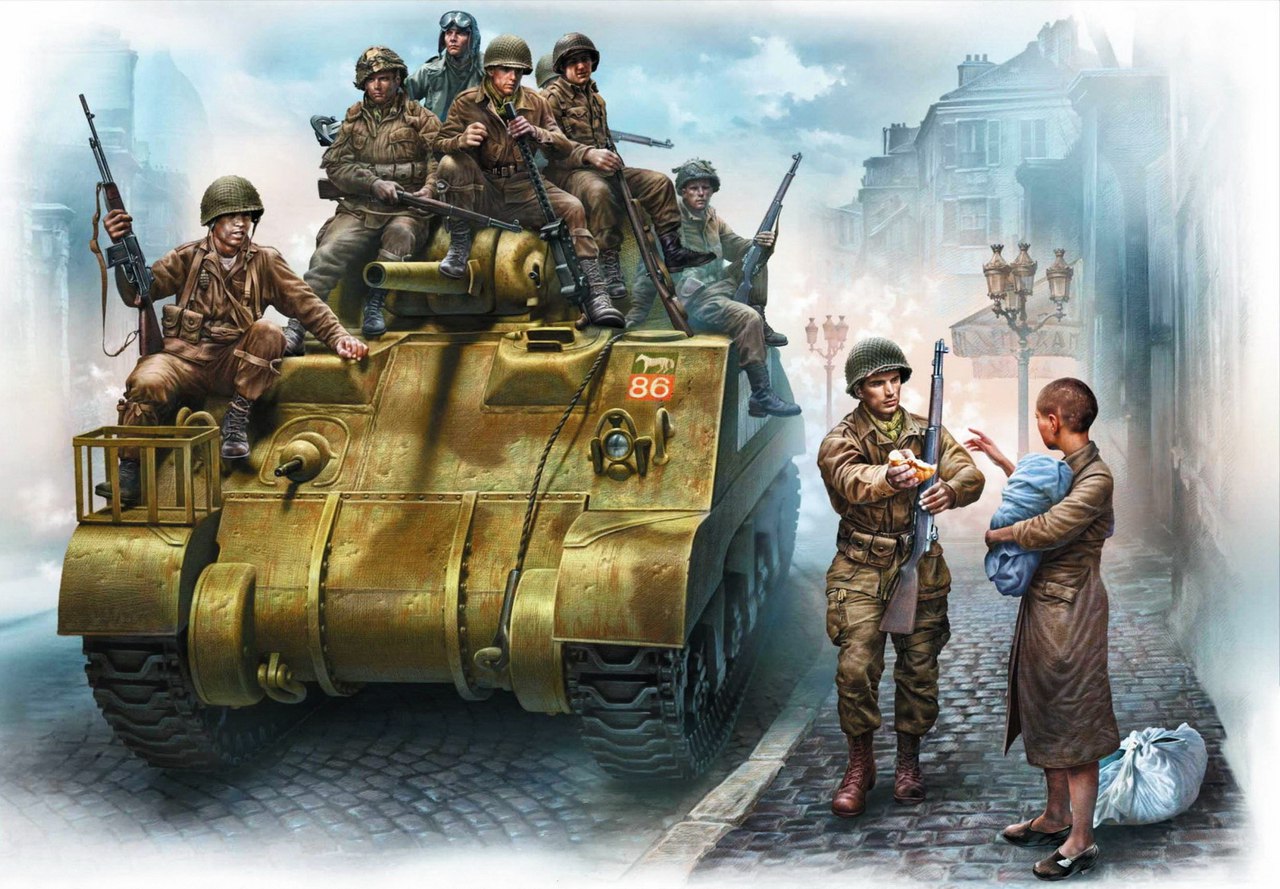
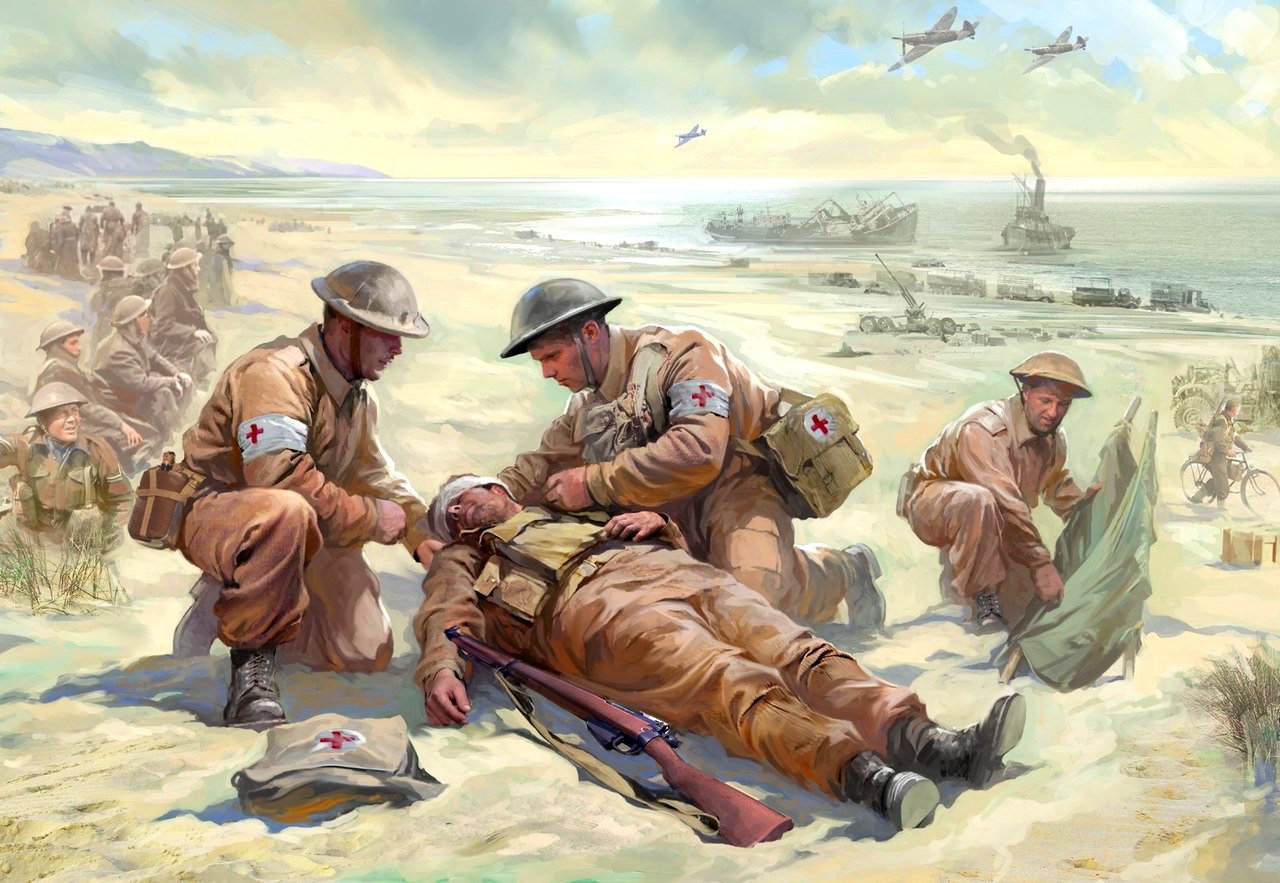
5. Британский танкист и американские солдаты из состава 101-й парашютно-десантной дивизии, Нормандия, 1944.
6. Британские санитары.
2. Британские коммандос в Нормандии.
3. Американцы в Нормандии.
4. Masami Onishi. 101-я парашютно-десантная дивизия США в Нормандии, 1944 год.
5. Британский танкист и американские солдаты из состава 101-й парашютно-десантной дивизии, Нормандия, 1944.
6. Британские санитары.