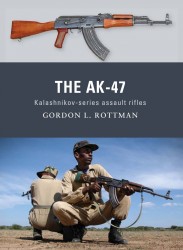
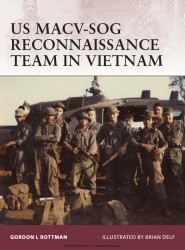
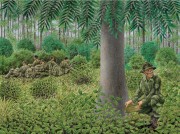
1. Обложка.
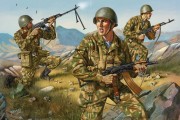
2. Сомалийский военачальник и ополченцы.
Mohamed Aideed came under great scrutiny as the architect of SNA attacks on
UN personnel, especially after the June 5, 1993, attack on Pakistani peacekeepers.
Keeping track of Aideed was a difficult task. UN and American officials used HUMINT and aerial surveillance to locate his whereabouts. Helicopters like the OH-58D could observe activities and report to the UN and American commands on rallies and demonstrations. Aideed and/or his key staff members would typically attend rallies to drum up support for various SNA and Habr Gidr causes.
These gatherings would include efforts to demonize the UN and make claims that
the United States was the enemy of Somalia and Aideed’s clan. Aideed had to
keep the popular support of the Somali people to survive in Mogadishu. His efforts
were repaid during the October 3–4 raid, when hundreds of armed Somalis supported the SNA. Somalis are a warrior people and small arms were distributed liberally throughout Mogadishu. “Technical” vehicles provided direct fire support on a mobile platform to enhance SNA firepower.
3. The primary objective for TFR was to capture two major SNA figures, Awale and Salad, at a three-story meeting house near the Olympic Hotel. The raid went smoothly, but SNA supporters and Mogadishu residents continued to attack the Ranger chalks and Delta commandos around the target. Rangers drove the ground convoy vehicles to remove the 24 detainees.
While loading the SNA operatives, TFR soldiers continued to be attacked and the Somalis destroyed one 5-ton truck.
The Americans returned fire against their foes. Snipers and minigunners on MH-60Ls provided some fire suppression, but could not halt the Somali onslaught. Despite the heavy weapons on the HMMWVs and the helicopters, the TFR moved fast to get out. Part of the convoy had to return immediately with an injured Ranger, after he fell while fast-roping from a helicopter.
Unfortunately, after loading the prisoners, the convoy tried and failed to access the Super 61 crash site. Several Americans and Somalis in the convoy became casualties during the attempts to reach Super 61.
4. When Super 64 crashed, there was little that Major General William Garrison could do to rescue Michael Durant and his crew.
Garrison arranged for the QFR and sent a TFR rescue force, but both failed to break through. Two Delta snipers, Gary Gordon and Randy Shughart, volunteered to help the crew until TFR could mount another rescue. Against a surging Somali crowd, the Americans mounted a desperate defense. With two helicopter losses and increased RPG threats, Garrison’s staff could not send any more helicopters into the area. Gordon and Shughart could not hold out indefinitely against overwhelming odds and soon fell. Durant’s crew also died at the hands of the SNA and their supporters. Durant would survive, and Aideed released him days later after using him as a propaganda tool for the SNA. Congress awarded both Gordon and Shughart the Congressional Medal of Honor for their bravery and sacrifice.
5. Defenders at Super 61’s crash site faced the prospect of Somali attacks in overwhelming numbers. TFR soldiers had a great number of technological advantages, but the SNA surrounded the Americans, who did not have sufficient ammunition, medical supplies, water, and other consumables. In addition, casualties mounted and several attempts to rescue them had failed. If the Americans at the crash site could hold on, then a larger rescue force could break through. The only additional firepower to protect the force came from TFR’s attack helicopter fleet, the AH-6J Little Birds. Little Birds, like these two, provided precision attacks on the SNA by relying on the ground combat controller, who directed helicopters using IR pointers. TFR members also used orange triangles and IR strobes to identify positions. AH-6Js repeatedly turned back SNA attacks all night with their miniguns and rocket pods. One pilot reported that he flew so low that he hit a Somali carrying RPG rounds, and the insurgent exploded. Crews found evidence of this strike in the form of human remains on the helicopter’s windscreen. The AH-6J made the difference to TFR’s survival.

 t1aro
t1aro alZarif
 Haktar
 Mady
Mady Corrector
 kosak4
 Dr.Schmeisser
 KhanBagatur
 gurvinek2005
 Crusader556
 Valyrian_Legionnaire
 DinarMayor
 Farin Frostgeir